


When you feel tooth pain or notice something off with your teeth, it can be hard to know what’s wrong. Both cracked teeth and cavities cause similar problems, such as sensitivity and pain when you bite down.
Many people confuse these two issues because they share so many of the same warning signs.
The main difference between a cracked tooth and a cavity is that cavity pain tends to be constant, while pain from a cracked tooth comes and goes, especially when you bite or release pressure.
A cavity happens when bacteria eat through your tooth enamel and create a hole. A cracked tooth means your tooth has a break or split in it that may be visible or hidden.
Getting the right diagnosis matters because treatment for cavities and cracked teeth is very different.
Understanding the signs of each problem helps you know when to call your dentist and what to expect during cracked tooth treatment. This guide will help you spot the differences between these common dental problems.
Key Takeaways
- Cracked teeth cause pain that comes and goes while cavities usually create steady, constant pain
- Both conditions need professional diagnosis through dental X-rays since many cracks and cavities are too small to see
- Early treatment prevents more serious problems like root canals or tooth loss
Cracked Tooth vs. Cavity: Key Differences
A cracked tooth involves physical damage to the tooth structure, while a cavity is decay caused by bacteria eating away at your enamel.
The way pain develops and shows up in each condition can help you understand what’s happening in your mouth.
Structural Distinctions
A cavity is a hole or pit that forms when bacteria gradually dissolve your tooth’s hard outer layer. It starts small and grows larger over time as the decay spreads.
A cracked tooth is a physical break in the tooth structure. The crack can be tiny and barely visible, or it can be large enough to split the tooth in half. Some cracks stay on the surface while others extend deep into the tooth.
Types of tooth damage include:
- Small surface cracks in the enamel
- Pieces breaking off the tooth
- Vertical cracks that go from top to bottom
- Complete splits that divide the tooth
The location of damage matters too. Cavities usually form in spots where plaque builds up easily, like between teeth or in grooves on chewing surfaces.
Cracks can happen anywhere on the tooth depending on what caused the break.
How Enamel, Dentin, and Tooth Decay Play a Role
Your enamel is the hard outer shell that protects your tooth. Underneath sits the dentin, which is softer and contains tiny tubes that connect to the nerve.
Tooth decay works by dissolving enamel first. Bacteria in plaque produce acid that weakens and breaks down this protective layer. If the cavity isn’t treated, it continues eating through the enamel until it reaches the dentin below.
Once decay hits the dentin, problems get worse fast. The dentin’s structure makes it easier for bacteria to spread. You’ll likely need root canal treatment and a crown when decay reaches this deep.
A crack creates an opening that exposes the inner layers of your tooth. Even a small crack can let bacteria reach the dentin or pulp directly. This is why cracked teeth often become infected and need immediate attention.
Pain Patterns and Symptom Onset
Pain that comes and goes is more common with a cracked tooth. You might feel sharp pain when biting down, then nothing once you release the pressure.
Cavity pain tends to be more constant as it gets worse. Small cavities might not hurt at all. As the decay grows deeper, you’ll notice a dull ache that doesn’t go away.
Pain when biting works differently for each condition:
- Cracked tooth: Sharp pain during the bite and when releasing
- Cavity: Steady discomfort that may worsen with pressure
Temperature sensitivity shows up in both problems. Cold foods or drinks can trigger pain whether you have a crack or decay.
The difference is that cracked tooth pain often stops quickly after the temperature change, while cavity pain may linger longer.
Common Symptoms and How to Recognize Them
Cracked teeth and cavities both cause discomfort, but they create different types of pain patterns.
Temperature sensitivity and sharp pain when biting can signal either problem, though the timing and location of your symptoms help identify which issue you’re facing.

Cracked Tooth Symptoms
Pain when chewing is one of the most common signs of a cracked tooth. You’ll notice discomfort when you bite down, then relief when you release pressure.
Sharp pain when biting happens because the crack opens slightly under pressure, irritating the inner pulp of your tooth. This creates a quick, intense sensation that goes away almost immediately.
Your tooth sensitivity to temperature changes might come and go. Cold drinks or hot foods can trigger brief, sharp discomfort.
Some people experience sensitivity to sweets as well. The crack allows food particles and liquids to reach deeper layers of your tooth, causing irritation.
You might notice the pain doesn’t stay constant throughout the day. Instead, it appears only when you eat, drink, or bite in a specific way.
Cavity Symptoms
Cavities create a different pain pattern than cracks do. Your toothache from a cavity tends to be more constant and dull rather than sharp and sudden.
Sensitivity to cold often appears early when decay first forms. As the cavity grows deeper, you’ll develop sensitivity to sweets and hot temperatures too.
The tooth pain from a cavity typically gets worse over time. It doesn’t come and go based on how you bite or chew.
You might see visible signs like dark spots or holes on your tooth surface. Cavities also cause bad breath or an unpleasant taste in your mouth.
Key cavity warning signs:
- Persistent dull ache
- Visible discoloration or holes
- Pain that worsens gradually
- Constant sensitivity rather than pain only when biting
How Tooth Sensitivity Differs
Temperature sensitivity shows up differently depending on your dental problem. With a crack, cold or hot foods cause quick, stabbing pain that stops right away.
Cavity-related sensitivity builds more slowly and lasts longer after exposure. The discomfort lingers for several seconds or even minutes after you finish eating or drinking.
Cracked teeth often react most strongly to cold temperatures. Cavities cause problems with both hot and cold, plus sweet and acidic foods.
The location matters too. A crack causes sharp sensations in one specific spot when pressure hits it just right. Cavity pain spreads across a broader area of the affected tooth.
Pain When Chewing vs. Sharp Pain When Biting
Pain when chewing from a crack follows a predictable pattern. You bite down and feel sharp pain, then it disappears when you stop applying pressure.
Sharp pain when chewing with a cavity feels different. The discomfort doesn’t depend on releasing the bite. It continues as long as food touches the decayed area.
Cracked teeth hurt most with hard or crunchy foods. Biting into crusty bread, nuts, or ice creates the strongest reaction.
Cavities cause problems with any food that gets stuck in the hole. Sticky or sweet items trigger the most intense responses because they cling to the damaged area longer.
What Causes Cracked Teeth and Cavities
Both cracked teeth and cavities happen for different reasons, though sometimes they can occur together. Understanding what leads to each problem helps you protect your teeth better.
Cracked Tooth Causes
You can crack your teeth in several ways. Teeth grinding (also called bruxism) puts constant pressure on your teeth and is one of the most common causes of cracked teeth.
Many people grind their teeth at night without knowing it.
Biting down on hard foods like ice, popcorn kernels, or hard candy can create instant tooth cracks. Chewing ice is especially harmful because of how hard and cold it is.
Old dental work can weaken your teeth over time. Old restorations like large fillings leave less natural tooth structure, making cracks more likely.
Physical trauma from sports injuries, falls, or accidents can cause different types of damage. You might get a fractured cusp where part of the chewing surface breaks off.
A split tooth happens when a crack runs from the chewing surface down toward the root. A vertical root fracture starts at the root and moves upward.
Common Causes of Cavities
Cavities form when bacteria in your mouth produce acid that eats away at your tooth enamel. This happens when you don’t remove plaque regularly through brushing and flossing.
Sugar and starch feed the bacteria in your mouth. When you eat sugary foods or drinks frequently, bacteria produce more acid that causes tooth decay.
Sipping soda or juice throughout the day keeps your teeth in constant contact with acid.
Poor oral hygiene lets plaque build up on your teeth. When you skip brushing twice daily or don’t floss, bacteria multiply and create more acid.
Dry mouth also increases cavity risk because saliva normally helps wash away food and neutralize acid.
Diagnosing the Problem: Cavity or Cracked Tooth?
Your dentist uses specific tools and techniques to figure out whether you have a cavity or a cracked tooth. Professional testing is the only way to get an accurate diagnosis since many problems are too small to see or hide between teeth.
How Dentists and Endodontists Evaluate Symptoms
Your dentist will start by asking about your symptoms and when they occur. They want to know if your pain comes and goes or stays constant throughout the day.
The clearest sign of a tooth fracture versus a cavity is how persistent your pain feels. A cracked tooth often causes pain that appears and disappears, especially when you bite down.
A cavity usually creates more steady discomfort.
Your dentist will examine your teeth closely, looking for visible cracks, discoloration, or holes in the enamel. They’ll check your old restorations like fillings and crowns since these areas can develop new problems.
An endodontist may get involved if your dentist suspects a complex crack or a root fracture that threatens the inner part of your tooth.
During your dental checkup, the dentist may tap on your teeth or ask you to bite on something. This helps identify which tooth hurts and whether the pain pattern suggests a crack.
Tools and Tests Used by Dentists
Dentists use several specialized instruments during your diagnosis. A dental explorer is a small metal tool with a sharp point that helps find soft spots in your enamel where cavities have formed.
Your dentist might use a bite test where you chew on a special stick or tool. If you feel sharp pain when you release the bite rather than when you bite down, this often points to a cracked tooth.
A cavity typically hurts more when pressure is applied.
Temperature tests help determine tooth sensitivity. Your dentist may apply something cold or hot to see how your tooth reacts.
They’ll also look at the color and condition of your gums around the painful tooth since swelling can indicate a crack.
Role of X-rays and Transillumination
Digital X-rays can identify problems that are too small to see or located between your teeth and under your gums. X-rays show cavities as dark spots on the tooth and can reveal large cracks that extend into the tooth structure.
Transillumination is another helpful diagnostic tool. Your dentist shines a bright light through your tooth to look for cracks.
When light passes through a healthy tooth, it appears uniform. A crack will interrupt the light and create a shadow pattern.
Some cracks are very difficult to detect even with X-rays. Your dentist might need to use a combination of tests to reach a final diagnosis and recommend the right treatment.
Treatment Options and Preventive Strategies
Both cavities and cracked teeth need professional dental care, but the treatments differ based on the type and severity of damage. Catching problems early gives you more options and better outcomes.
Treatments for Cavities
Dental fillings are the most common treatment for cavities. Your dentist removes the decayed part of your tooth and fills the space with materials like composite resin, amalgam, or porcelain.
For small to medium cavities, a dental filling usually solves the problem in one visit. Your dentist numbs the area, cleans out the decay, and places the filling material.
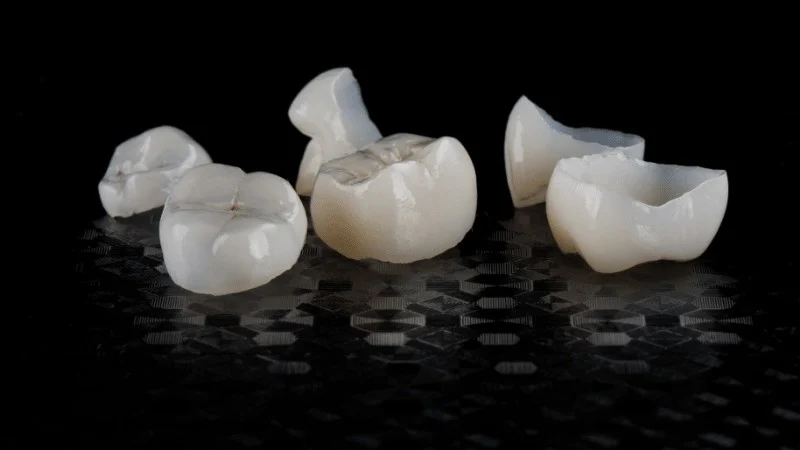
Larger cavities may need more extensive work. If decay has damaged a significant portion of your tooth, your dentist might recommend an onlay or same-day crown instead of a simple filling.
An onlay covers part of the tooth’s chewing surface, while a crown caps the entire visible part of the tooth.
The type of treatment for cavities you need depends on how deep the decay goes and which tooth is affected.
Treatments for Cracked Teeth
Dental bonding works well for minor cracks that only affect the enamel. Your dentist applies a tooth-colored resin to seal the crack and restore the tooth’s appearance.
For more serious cracks, a dental crown protects the tooth from further damage. The crown covers the entire tooth and holds the cracked pieces together. This is one of the most common solutions for treating cracked teeth.
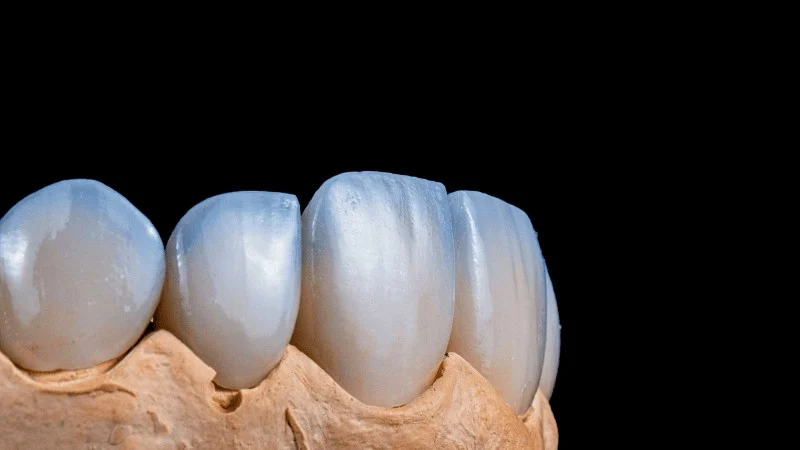
Moreover, porcelain veneers can fix cracks on front teeth that affect your smile. These thin shells cover the front surface of your tooth and provide both protection and cosmetic improvement.
Some cracks are too severe for these options. If a crack extends below the gum line or splits the tooth in two, more aggressive treatment becomes necessary.
When a Root Canal or Extraction Is Needed
Root canal treatment becomes necessary when a crack or cavity reaches the pulp inside your tooth. During root canal therapy, your dentist removes the infected pulp, cleans the inside of the tooth, and seals it.
After a root canal, you’ll typically need a crown to protect the weakened tooth structure. This combination of restorative dentistry procedures can save a tooth that might otherwise need removal.
Tooth extraction is the last resort when damage is too extensive to repair. Vertical root fractures and severely split teeth often require extraction because they can’t be saved.
If you experience severe pain, swelling, or a visible crack, seek emergency dental care right away. Quick action can mean the difference between saving and losing your tooth.
Prevention and Protecting Your Teeth
Brush twice daily with fluoride toothpaste and floss once a day to prevent cavities. Regular dental checkups catch problems early when they’re easier to treat.
A mouthguard or nightguard protects your teeth if you grind them during sleep. This simple device prevents the excessive force that causes cracks and premature wear.
Avoid chewing on hard objects like ice, popcorn kernels, or pen caps. These habits put unnecessary stress on your teeth and increase crack risk.
Limit sugary and acidic foods that promote tooth decay. When you do eat them, rinse your mouth with water afterward.
Preventive strategies also include addressing existing dental work. Old fillings can weaken teeth over time, so replacing them before problems develop helps maintain tooth strength.
When to See a Dentist and Take Action
Pain when biting, ongoing sensitivity, or visible damage to your tooth means you need professional dental care right away.
Waiting too long can turn a fixable problem into a serious health issue that costs more time and money to treat.
Signs You Should Not Ignore
Sharp pain when you bite down or chew food is one of the most common symptoms of a cracked tooth. This pain usually comes and goes rather than staying constant throughout the day.
You should call your dentist immediately if you notice:
- Persistent toothache that lasts more than a day or two
- Sensitivity to hot or cold that doesn’t go away after a few seconds
- Pain when releasing bite pressure rather than when biting down
- Swelling around a tooth or in your gums
- Bad breath that won’t go away even after brushing
- Visible cracks or dark spots on your tooth surface
A tooth infection can develop quickly if bacteria enter through a crack or deep cavity. Signs include fever, swelling in your face or jaw, and a bitter taste in your mouth.
Complications of Delaying Treatment
A cracked tooth is a dental emergency that needs immediate care to prevent serious damage. The crack can spread deeper into your tooth root if left untreated.
Bacteria can enter through the damaged area and cause an infection in the pulp inside your tooth. This infection may require a root canal or even tooth extraction if it spreads too far.
Cavities also get worse over time. What starts as a small hole that needs a simple filling can grow into a large area of decay. You might lose the entire tooth if the decay reaches the root.
Delaying treatment often leads to more pain and higher costs. A filling might cost a few hundred dollars, while a crown or root canal can cost over a thousand dollars.
What to Expect at Your Dental Visit
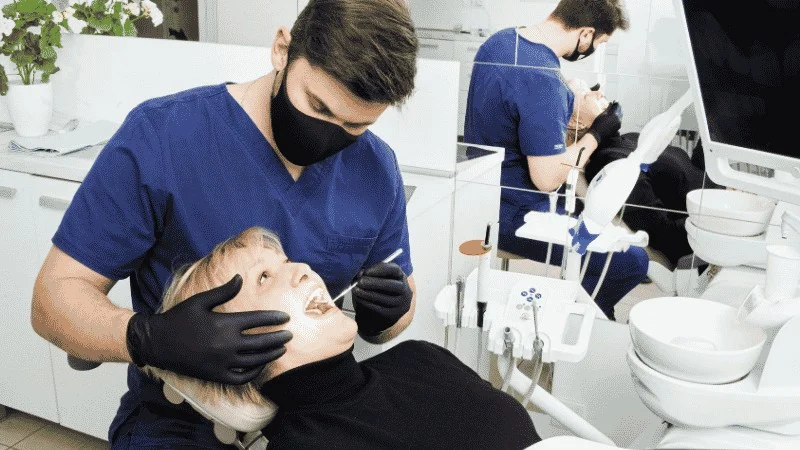
Your dentist will examine your tooth and ask about your symptoms during emergency dental care or regular dental checkups. They may take X-rays to see damage below the gum line.
For a cracked tooth, your dentist might use a special light or dye to find small cracks that are hard to see. They’ll test your bite and check for pain when you release pressure.
Treatment depends on the severity of the problem:
- Small cracks: Bonding or a crown to protect the tooth
- Deep cracks: Root canal if the crack reaches the pulp
- Cavities: Filling, inlay, or crown depending on size
- Severe damage: Extraction and replacement options
Your dentist will explain each option and help you choose the best treatment for your situation. Most procedures can be done in one or two visits with local anesthesia to keep you comfortable.
Frequently Asked Questions
Both cavities and cracked teeth can cause similar discomfort, but they need different treatments. Understanding the specific signs of each problem helps you know what to expect during your dental visit.
How can I tell if I’m dealing with a cavity or a cracked tooth?
The best way to know for sure is to visit your dentist for an examination. Many cavities and cracks are too small to see on your own or are located between teeth where you can’t spot them.
The clearest sign of a tooth fracture vs. a cavity is how persistent the pain is. Pain from a cracked tooth tends to come and go, especially when you bite down or release pressure.
Cavity pain is usually more constant and gets worse over time.
Your dentist can use digital X-rays to see what’s happening inside and beneath your tooth. This helps them determine whether you have decay, a crack, or both.
What symptoms are more common with a cracked tooth than with a cavity?
Pain that comes and goes is the most telling sign of a cracked tooth. You might feel sharp pain when you bite down on the tooth, then notice the pain disappears when you stop chewing.
Swelling of the gums around a specific tooth is more common with cracks than cavities. You might also notice the pain changes based on temperature, but with a crack, the discomfort often happens in specific situations rather than constantly.
The pain from a cracked tooth can be hard to pinpoint. You might have trouble identifying exactly which tooth hurts because the pain shoots around when you bite.
Can a tooth be cracked or broken and still not hurt at all?
Yes, you can have a cracked tooth without any pain. Small cracks in the outer enamel might not reach the inner layers of your tooth where the nerves are located.
Some people have tiny surface cracks that cause no symptoms at all. These cracks might only become noticeable during a dental exam.
The location and depth of the crack determine whether you feel pain. A crack that doesn’t extend into the dentin or pulp layer may not cause any discomfort until it gets deeper.
What’s the difference between harmless craze lines and a real tooth crack?
Craze lines are tiny, shallow cracks that only affect the outer enamel surface. They look like small vertical lines on your tooth and are very common as you get older.
These lines don’t hurt and don’t need treatment. They’re similar to the fine lines you might see in old pottery or glass.
A real crack goes deeper into your tooth structure. Unlike craze lines, these cracks can reach the dentin or pulp and cause pain, sensitivity, or other problems that need dental care.
Can a cracked tooth and a cavity happen in the same tooth at the same time?
Yes, you can have both a crack and a cavity in the same tooth. A cracked tooth does not necessarily mean you also have a cavity, but the two problems can occur together.
A crack in your tooth makes it easier for bacteria to get trapped in hard-to-clean areas. This increases your risk of developing decay around or inside the crack.
Sometimes a large cavity can weaken your tooth so much that it cracks. Other times, a crack comes first and then decay develops in the damaged area.
When does a cracked tooth need a crown, a root canal, or an extraction?
The type, location, and severity of the crack determine the treatment you’ll need. A small crack above the gum line can often be fixed with a dental crown to protect the tooth.
You might need a root canal if the crack extends into the pulp where your tooth’s nerves and blood vessels are located. Root canal treatment prevents infection before placing a crown over the tooth.
A crack that extends below the gum line or splits the tooth in half usually can’t be saved. In these cases, your dentist will need to extract the tooth and discuss replacement options with you.