


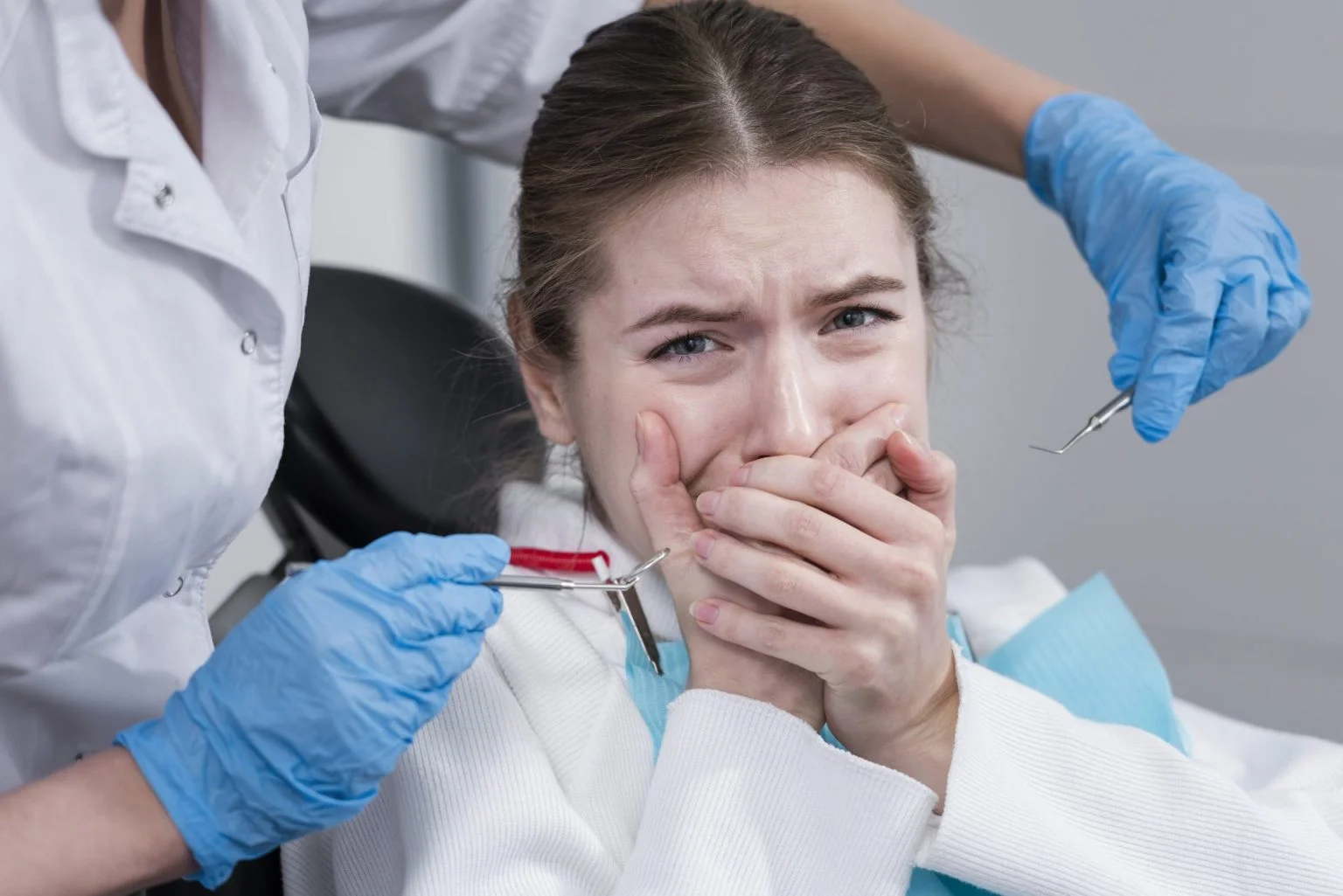
A knocked-out tooth. A toothache so intense you can’t eat, sleep, or think straight. These aren’t minor problems—they’re dental emergencies. Tkatch Dentistry provides emergency dentistry in High Point, NC, to deliver fast pain relief, prevent serious complications, and help save your smile. In this guide, we’ll cover the warning signs of a dental emergency, how we respond, and what to expect when every minute counts.
1. Intense, Persistent Pain
A sudden, sharp, throbbing toothache that lingers despite over-the-counter relief is one of the most common emergency signals. Pain may freeze your day or disrupt your sleep when the nerve inside the tooth becomes irritated or infected. Dr. Stas can provide same-day relief using numbing techniques. Once you’re comfortable, he investigates the root cause, avoiding temporary fixes that only mask symptoms instead of resolving them.
2. A Knocked-Out or Loosened Tooth
If a permanent tooth is knocked out, every minute counts—the chance of saving it drops as time passes. In such emergencies, rinse the tooth with water (don’t scrub it) and place it in milk or saline, then get to us immediately. If we act within the first hour and the tooth remains moist, we often can re-implant it. Partial looseness or displacement also demands same-day attention to stabilize the tooth and prevent infection.
3. Cracked or Broken Teeth with Exposure
A crack or broken segment may seem minor until the inner layers are exposed, causing sharp pain or increasing infection risk. Even mild pain, such as a fractured tooth, can weaken easily and invite bacteria. Our dentists examine the tooth, assess nerve involvement, and can restore it with bonding, crowns, or root canal therapy to prevent worse complications later.
4. Loose or Missing Fillings and Crowns
Losing a filling or crown may not hurt initially, but it exposes the tooth to decay, discomfort, and potential infection. Patients often patch it temporarily, only to return with deeper damage. Tkatch Dentistry replaces or repairs restorations quickly to protect your tooth and avoid more costly procedures.
5. Swelling, Abscess, or Facial Puffiness
Facial or gum swelling—especially if accompanied by a foul taste, fever, or difficulty swallowing—may signal an abscessed tooth or spreading infection. These situations can escalate quickly, risking bone involvement, airway obstruction, or systemic infection. Our team is prepared to treat aggressively: we drain or extract the source, manage swelling, and may prescribe antibiotics to prevent serious outcomes.
6. Uncontrolled Bleeding or Soft Tissue Injury
Bleeding that persists after applying pressure or injuries to the lips, tongue, or gums should never be ignored. We’ll evaluate the source—whether tooth-related or from soft tissue—clean the area, stop bleeding, and determine if stitches or further care are needed.
7. Strange Oral Sensations or Bite Shifts
Sometimes, it isn’t dramatic, but subtle signs like shifting bite, persistent bad taste, numbness, or loose teeth may be symptoms of serious issues like infection, jaw trauma, or underlying disease. Even mild discomfort deserves evaluation to rule out deeper concerns.
Why Every Minute Counts
Dental issues can spiral fast. An untreated abscess may spread into the jaw or neck, risking cellulitis or airway compromise. In contrast, early intervention can save a tooth, reduce treatment costs, and spare you pain. Waiting isn’t worth the gamble.
How We Handle Emergency Dentistry in High Point, NC
1. Immediate Phone Triage
When you call, we gather essential details—pain level, swelling, trauma—to prepare the proper treatment and expedite your care.
2. Fast, Focused Assessment
Arriving at Tkatch Dentistry, our team promptly checks vital signs, evaluates your mouth, and often takes an X‑ray to pinpoint damage.
3. Rapid Pain and Infection Management
Dr. Cowan, Dr. Phung, and Dr. Tkatch use local anesthesia and anti‑inflammatories to stop pain. We start infection control, including drainage and antibiotics if needed.
4. Repair or Stabilize
Whether repairing cracks, re-implanting teeth, or securing loose restorations, we aim to preserve as much natural structure as possible.
5. Plan Your Follow-up
Once the urgent need is addressed, we create a personalized plan—crowns, root canals, periodontal care—to ensure long-term results.
What You Can Do While Waiting for Emergency Dentistry
- Rinse with warm salt water and take OTC pain relievers (avoid aspirin near the gums)
- Use cold compresses on swollen areas (20 minutes on, 20 off)
- Protect a knocked-out tooth in milk or saline
- Maintain a soft diet to avoid aggravating injuries
These steps help reduce pain and swelling until you receive care, but they’re not substitutes. You still need professional treatment.
When to Skip the Wait Room
Some conditions need immediate attention beyond a dental office:
- Trouble breathing or swallowing
- Severe facial swelling or cellulitis symptoms
- Head injuries or jaw fractures
If these occur, go to your nearest emergency department or call 911. From there, we’ll coordinate any dental follow-up you need at Tkatch Dentistry.
Don’t Wait—Get Help Today
Emergency dentistry protects your natural smile, relieves pain fast, and prevents long-term damage. If you’re experiencing intense pain, swelling, bleeding, or a broken restoration, don’t wait. Our team is equipped to handle your urgent dental needs with skill and care.
Call us now at (336) 901-9516 for emergency dentistry in High Point, NC. You deserve fast relief and a healthy, confident smile.