

Many people put off going to the dentist because they feel scared or nervous about dental work. This fear can become so strong that it stops people from getting the care they need to keep their teeth healthy. If you avoid the dentist because of anxiety, you are not alone.
Sedation dentistry uses safe medications to help you feel calm and relaxed during dental procedures, making it possible to get the care you need without fear or discomfort.
Different sedation options can be used depending on how severe your anxiety is. Some methods keep you awake but relaxed, while others help you rest through the entire appointment.
The good news is that sedation dentistry allows dentists to perform multiple treatments in a single visit, which means fewer appointments and less stress overall.
Whether you need a simple cleaning or more complex dental work, sedation can help you get through it comfortably.
Key Takeaways
- Sedation dentistry uses medications to help anxious patients feel calm and comfortable during dental visits
- Different types of sedation are available based on your level of anxiety and the procedure you need
- Sedation makes it possible to complete dental work safely while reducing stress and fear
Understanding Severe Dental Anxiety
Severe dental anxiety goes beyond normal nervousness and can prevent people from getting the dental care they need. This condition has specific causes, creates real health problems, and shows up through clear warning signs that shouldn’t be ignored.
What Causes Severe Dental Anxiety and Phobia
Your dental phobia often starts with a past negative experience at the dentist’s office. Maybe you felt pain during a procedure, or perhaps a dentist didn’t listen to your concerns. These memories can stick with you for years.
Fear of pain ranks as one of the most common reasons people develop dental anxiety. You might worry that the numbing won’t work or that you’ll feel discomfort during treatment.
This fear can grow stronger over time, especially if you’ve heard others share their own scary dental stories.
Loss of control also plays a big role. When you’re sitting in the dental chair with your mouth open, you can’t speak easily or move away.
Some people feel trapped or vulnerable in this position. Dental anxiety can range from mild nervousness to severe phobia that stops you from seeking care completely.
Other triggers include the sounds of dental equipment, the smell of the office, fear of needles, or embarrassment about the condition of your teeth.
How Dental Anxiety Impacts Oral Health and Well-Being
When you avoid dental care because of fear, your oral health problems get worse instead of better. Small cavities turn into painful infections. Gum disease progresses without treatment. Eventually, you might lose teeth that could have been saved.
The cycle becomes harder to break as time passes. Your teeth deteriorate more, which makes you feel more embarrassed about going to the dentist. This embarrassment adds to your anxiety, making you avoid the dentist even longer.
Your overall health suffers too. Untreated dental problems can lead to serious infections that spread to other parts of your body. Poor oral health connects to heart disease, diabetes complications, and other medical conditions.
The emotional toll shouldn’t be overlooked either. You might feel guilty about avoiding the dentist or stressed every time you think about making an appointment. This constant worry affects your quality of life and mental health.
Recognizing the Signs of Dental Fear
Physical symptoms often appear when you think about dental appointments. Your heart might race, your palms get sweaty, or you feel sick to your stomach. Some people experience trouble breathing, shaking, or dizziness at the thought of visiting the dentist.
You might cancel appointments at the last minute or find excuses not to schedule them in the first place. Sleep problems can start the night before a dental visit. Some people feel panic attacks just driving past a dental office.
Common behavioral signs include:
- Repeatedly postponing necessary dental work
- Only going to the dentist for emergencies
- Feeling unable to sit still in the waiting room
- Crying or feeling overwhelmed during appointments
- Needing someone to accompany you for support
If you recognize these patterns in yourself, you’re dealing with more than normal nervousness. Severe dental anxiety requires understanding and proper management strategies to help you overcome dental anxiety and get back to regular care.
Visit our High Point, NC office for sedation dentistry for dental anxiety and stress-free treatment.
Consequences of Avoiding Dental Care
When you skip dental appointments due to anxiety, minor problems can quickly turn into major health issues. Untreated cavities and gum infections don’t go away on their own and often lead to painful emergencies that require more invasive treatments.

Risks to Oral Health From Delaying Treatment
Avoiding the dentist allows tooth decay to spread deeper into your teeth. What starts as a small cavity can reach the tooth’s nerve, causing severe pain and requiring a root canal or extraction.
Gum disease develops when plaque builds up along your gum line without professional cleaning. Your gums may bleed, become inflamed, and eventually pull away from your teeth. The infection can damage the bone that holds your teeth in place.
Poor oral health also affects your whole body. Bacteria from gum infections can enter your bloodstream and contribute to heart disease, diabetes complications, and respiratory problems. Regular dental visits help catch these issues early when they’re easier to treat.
Progression to Dental Emergencies and Tooth Loss
Untreated dental problems often lead to sudden, painful emergencies. An infected tooth can develop an abscess, causing facial swelling, fever, and intense pain that requires immediate care.
Neglecting oral hygiene can result in tooth loss as decay weakens tooth structure and gum disease destroys supporting bone. Once you lose a tooth, nearby teeth can shift out of position, creating bite problems and making chewing difficult.
The longer you avoid dental care, the more complex your treatments become. Multiple cavities, advanced gum disease, and missing teeth require extensive procedures that take more time and cost more money than preventive care would have.
Contact us now to learn if sedation dentistry for dental anxiety is right for you.
What Is Sedation Dentistry?
Sedation dentistry uses medication to help you relax during dental procedures, making treatment possible even when anxiety feels overwhelming. Unlike complete unconsciousness, most sedation options keep you awake but calm throughout your dental visit.
Understanding Sedation Dentistry and Its Role
Sedation dentistry refers to medications that help you manage stress or anxiety during dental treatment. Your sedation dentist gives you medicine that makes you feel relaxed and comfortable while they work on your teeth.
The goal is to reduce fear so you can get the oral health care you need. Many people avoid dental visits because of anxiety, which can lead to serious problems with their teeth and gums over time.
Common reasons you might benefit from sedation include:
- Fear of dental procedures or needles
- Very sensitive gag reflex
- Sensitive teeth that make treatment uncomfortable
- Difficulty sitting still in the dental chair
- Claustrophobia or panic in medical settings
- Need for lengthy procedures like surgery
Sedation dentistry helps millions of patients receive care they would otherwise avoid. Your dentist can complete necessary work while you remain calm and relaxed.
How Sedation Dentistry Differs From Local Anesthesia
Local anesthesia numbs a specific area of your mouth so you don’t feel pain during dental work. Sedation medication affects your entire body and mind to reduce anxiety and awareness.
You might receive both during the same appointment. The local anesthesia blocks pain signals in your mouth while sedation keeps you calm and comfortable. Local anesthesia wears off after a few hours, but you stay fully alert during your procedure.
With conscious sedation, you enter a deeply relaxed state where you may feel drowsy or even fall asleep. You can still respond to questions and follow instructions from your dental team.
Some people call this sleep dentistry, though you’re not fully unconscious like with general anesthesia.
When Is Sedation Recommended?
Your dentist may suggest sedation if you have severe dental anxiety that prevents you from getting needed care. Long or complex procedures also benefit from sedation because you can remain comfortable for extended periods.
Sedation works well for:
| Situation | Why Sedation Helps |
| Multiple procedures in one visit | Allows your dentist to complete more work while you’re relaxed |
| Root canals or tooth extractions | Reduces stress during potentially uncomfortable treatments |
| Past traumatic dental experiences | Creates positive associations with dental care |
| Physical or cognitive conditions | Makes it easier to sit still and cooperate |
Your sedation dentist will review your health history and anxiety level to recommend the right option. Even routine cleanings can be done with sedation if your fear is severe enough to keep you from scheduling appointments.
Types of Sedation Dentistry and Their Uses
Dentists offer several sedation options ranging from mild relaxation to complete unconsciousness, each designed to match your specific anxiety level and procedure needs.
Your sedation dentist will help you choose the right sedation medication based on your dental phobia severity and the complexity of your treatment.
Minimal Sedation: Nitrous Oxide (Laughing Gas)
Nitrous oxide is the mildest form of sedation dentistry available and works quickly to calm your nerves. You breathe the colorless, odorless gas through a small mask placed over your nose, and within minutes you’ll feel relaxed and slightly lightheaded.
Key benefits of laughing gas include:
- You stay fully awake and aware during treatment
- The effects wear off within minutes after removing the mask
- You can drive yourself home immediately after your appointment
- It works well for routine cleanings and simple procedures
This minimal sedation option is perfect if you have mild anxiety but still want to remain in control during your visit. Many patients describe feeling calm and even slightly euphoric, which makes the dental work much more bearable.
Oral Sedation and Oral Conscious Sedation
Oral conscious sedation involves taking a prescribed pill before your dental appointment, typically medications like Halcion, Valium, or Ativan. This moderate sedation creates a deeper level of relaxation than laughing gas while still keeping you conscious.
You’ll feel drowsy and calm, and many patients remember little to nothing about their procedure afterward. The dosage your dentist prescribes determines whether you experience minimal or moderate sedation effects.
This option works well if you have moderate anxiety, need a longer appointment, or have a sensitive gag reflex. You must arrange for someone to drive you to and from your appointment since the medication can make you drowsy for several hours.
You’ll need to take the pill about an hour before your scheduled time so it reaches full effect when you arrive.
IV Sedation for Moderate to Severe Anxiety
IV sedation delivers medication directly into your bloodstream through a vein in your arm or hand, providing the fastest and most adjustable form of moderate to deep sedation.
Your dentist can control the sedation level throughout your procedure by adjusting the medication flow.
Most patients under IV sedation remain conscious but feel like they’re asleep or in a dreamlike state. You won’t feel pain, and you typically won’t remember the procedure at all.
This deeper sedation option is ideal if you have severe dental phobia, need complex dental work like oral surgery, or haven’t responded well to lighter sedation options.
The effects last longer than oral sedation, so you’ll need someone to drive you home and stay with you for a few hours. Your dental team monitors your vital signs continuously to ensure your safety throughout the treatment.
General Anesthesia for Complex Cases
General anesthesia renders you completely unconscious during dental procedures and represents the deepest level of sedation available. A licensed anesthesiologist or oral surgeon administers and monitors this sedation in a controlled clinical setting.
You won’t feel anything, hear anything, or have any memory of the procedure. This option is typically reserved for extensive oral surgeries, full-mouth reconstructions, or patients with extreme dental anxiety who cannot tolerate other sedation methods.
It’s also used for patients with special healthcare needs or certain medical conditions.
Recovery takes longer than other sedation options, and you’ll need several hours before resuming normal activities. You must have someone drive you home and monitor you during your initial recovery period.
How Sedation Dentistry Helps Anxious Patients
Sedation helps calm your nervous system so dental work feels less overwhelming. It makes procedures more comfortable, reduces physical symptoms like gagging, and allows dentists to complete more work in fewer visits.
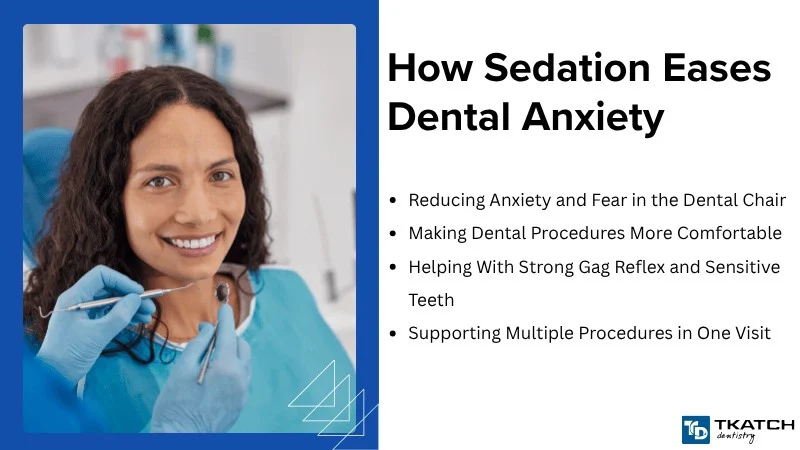
Reducing Anxiety and Fear in the Dental Chair
Sedation dentistry uses medication to help you relax during dental appointments. Your body often reacts to dental anxiety before you can control it. You might feel your heart race, your shoulders tense up, or your breathing get shallow.
The medication works by calming your nervous system. You stay awake with most sedation options but feel deeply relaxed. Time passes differently, and things that normally bother you don’t feel as intense.
Many patients avoid dental care for years because anxiety takes over days before the appointment. Sedation breaks that pattern. You can actually get through the visit without white-knuckling the chair or fighting panic.
Common anxiety triggers that sedation addresses:
- Fear of needles or injections
- Sounds of dental tools and drills
- Feeling trapped or unable to leave
- Bad experiences from past visits
- Not being able to take breaks
Making Dental Procedures More Comfortable
Sedation doesn’t replace the numbing shot. Your dentist still uses local anesthetic so you don’t feel pain. What sedation does is make everything feel less threatening.
You become less bothered by sensations that usually spike your anxiety. The pressure, vibration, and sounds fade into the background. Your mind stays calmer even when the dentist is working.
Conscious sedation keeps you able to respond to instructions while deeply relaxed. You might answer questions slowly but you can still communicate. This works well for most patients who want relief without being completely unconscious.
With nitrous oxide, you breathe through a small mask and feel lighter body tension right away. With oral sedation, you take a pill before your appointment and arrive already calm.
Both options help you get through procedures that would normally feel impossible.
Helping With Strong Gag Reflex and Sensitive Teeth
A strong gag reflex makes routine dental work difficult. X-rays, impressions, even simple cleanings can trigger gagging. This isn’t something you can just control through willpower.
Sedation helps interrupt the physical response that causes gagging. When your nervous system is calmer, your gag reflex becomes less reactive. You can tolerate water, suction, and instruments in your mouth more easily.
If you have sensitive teeth, normal dental work can feel uncomfortable even with numbing. Sedation reduces your overall sensitivity to sensation. Cold air, water spray, and pressure all feel less intense.
Physical issues sedation can help with:
- Trouble keeping your mouth open for long periods
- Difficulty tolerating dental impressions
- Extreme sensitivity to touch in your mouth
- Jumpiness from unexpected movements or sounds
Supporting Multiple Procedures in One Visit
When anxiety limits how long you can handle being in the dental chair, you might need multiple appointments for work that could happen in one visit. This drags out treatment and gives you more chances to cancel.
Sedation makes longer appointments manageable. Your dentist can complete several procedures during one sedation appointment. This works especially well if you need fillings, crowns, or other restorative work.
Fewer visits means less time off work and fewer days spent worrying about upcoming appointments. You get caught up on dental care faster instead of spacing everything out over months.
For patients who have avoided the dentist for years, this is one of the biggest benefits of sedation dentistry. You can address multiple problems at once without the anxiety building up between appointments.
Safety and What to Expect During a Sedation Dentistry Appointment
Dentists follow strict safety protocols during sedation, including continuous monitoring of your vital signs, and you’ll receive clear instructions to prepare for your visit.
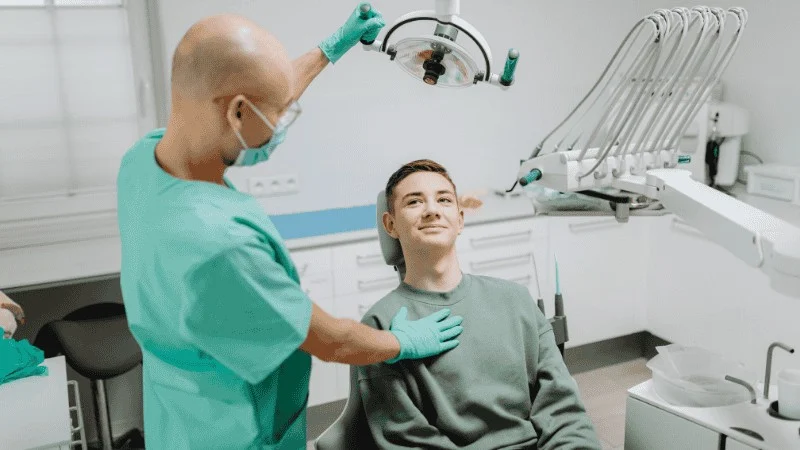
How Dentists Monitor Sedation and Patient Well-Being
Your sedation dentist tracks your health throughout the entire procedure using specialized equipment. Pulse oximetry measures the oxygen levels in your blood, while heart rate monitors keep tabs on your cardiovascular function.
Many dental offices also use capnography to monitor the carbon dioxide you breathe out. This helps the dental team spot any breathing changes early.
A trained professional stays with you during the procedure to watch these monitors and adjust medication if needed. They check your blood pressure at regular intervals and observe how you respond to instructions.
Sedation safety depends on choosing the right patients, using proper drug doses, and keeping detailed records throughout treatment.
The dental team will have emergency equipment and medications on hand, though complications are rare when protocols are followed correctly.
Preparing for Your Sedation Dentistry Visit
Before your sedation dentistry appointment, your dentist will review your medical history, current medications, and any allergies. You’ll discuss past experiences with anesthesia and what triggers your dental anxiety.
Your dentist will give you specific instructions based on your sedation type:
- Fasting requirements (typically 6-8 hours for oral or IV sedation)
- Which medications to take or avoid on the day of your appointment
- Transportation arrangements (you’ll need someone to drive you home)
- What to wear (comfortable, loose-fitting clothes)
For oral or IV sedation, plan to take the day off work. Arrange for a responsible adult to stay with you for a few hours after you get home. Stock up on soft foods if your dental procedures involve work that affects chewing.
Frequently Asked Questions
Sedation dentistry uses medication to help patients relax during dental procedures, with options ranging from mild nitrous oxide to complete unconsciousness under general anesthesia.
Safety depends on proper medical evaluation, and recovery time varies based on the type of sedation used.
What exactly is sedation dentistry, and how does it work?
Sedation dentistry uses medication to help patients relax during dental procedures. The primary goal is to reduce anxiety and discomfort so you can receive necessary dental care without fear or stress.
Despite being called “sleep dentistry,” most sedation methods don’t actually put you to sleep except for general anesthesia. Instead, they calm your nervous system while allowing you to remain conscious and responsive.
The medication works by slowing down your nervous system and promoting muscle relaxation, which significantly reduces physical tension.
Could you tell me about the different levels of sedation available in dentistry?
Sedation dentistry offers several levels from minimal to deep, depending on your anxiety level and the complexity of your procedure. Each option provides different degrees of relaxation and awareness.
Minimal sedation includes nitrous oxide, or laughing gas, which keeps you awake and responsive while reducing anxiety.
You inhale the gas through a small mask over your nose, and the effects wear off quickly once the gas is turned off. Most patients can drive themselves home after nitrous oxide sedation.
Moderate sedation involves oral sedation pills taken about an hour before your appointment. This method uses medications like diazepam or triazolam to create a deeper state of relaxation than nitrous oxide. You’ll remain conscious but may feel drowsy and have limited memory of the procedure.
Deep sedation through IV administration delivers medication directly into your bloodstream. This allows your dentist to adjust sedation levels throughout the procedure.
You’ll remain technically conscious but may drift in and out of sleep with little to no memory of the treatment.
General anesthesia is the deepest form of sedation, making you completely unconscious. An anesthesiologist or specially trained dental anesthesiologist administers this option. You’ll be completely unaware and unable to respond during treatment.
Is sedation dentistry considered safe for everyone, including children and the elderly?
Sedation dentistry is generally safe when administered by trained professionals, but it requires careful evaluation of your medical history. Certain medical conditions, current medications, and allergies can affect which sedation options are appropriate for you.
Children can safely receive sedation dentistry, but with important modifications. Dosages are carefully calculated based on age and weight. Nitrous oxide is often the first choice for pediatric patients, while oral sedation may be used for more anxious children.
Elderly patients require special considerations due to age-related changes in metabolism. Lower dosages are typically used to account for how your body processes medications.
Your dentist will also consider any existing prescriptions to avoid drug interactions and monitor for conditions like dementia or Parkinson’s disease.
Pregnant women, people with severe respiratory conditions, and those with certain heart conditions may have limited sedation options. Your dentist will thoroughly review your complete medical history during a consultation to determine the safest approach for your situation.
How does sedation during dental procedures alleviate anxiety and fear?
Sedation slows down your nervous system and promotes muscle relaxation, which significantly reduces physical tension during dental procedures.
You won’t feel exhausted while sitting in the dental chair, making longer treatments much more comfortable.
The medication targets the emotional and psychological barriers that prevent people from getting dental care. Many sedation options create amnesic effects, meaning you’ll have little or no memory of the procedure afterward.
This helps prevent the reinforcement of dental fears that might otherwise develop from the experience.
Sedation also helps patients with sensitive gag reflexes by numbing that response completely. Physical symptoms of anxiety like elevated heart rate, sweating, and trembling are minimized or eliminated.
You can receive necessary dental care without experiencing the panic attacks or severe distress that might otherwise occur.
Can you describe the recovery process after undergoing sedation for dental treatment?
Recovery time varies significantly depending on the type of sedation you receive. Nitrous oxide wears off within minutes once the gas is turned off, allowing you to drive yourself home and resume normal activities immediately.
Oral sedation requires a longer recovery period. You’ll need someone to drive you home, and the drowsy effects may last several hours. Plan to rest for the remainder of the day and avoid operating heavy machinery or making important decisions.
IV sedation necessitates the most extensive recovery time among conscious sedation methods. You’ll need post-procedure monitoring before leaving the dental office. Someone must accompany you home, and you should rest for at least 24 hours.
General anesthesia requires thorough post-operative recovery with careful monitoring of your vital signs. You’ll spend time in a recovery area until the effects wear off sufficiently. Full recovery may take a day or two, during which you should avoid strenuous activities.
Are there any specific instructions I should follow before receiving sedation for a dental procedure?
Your dentist will provide detailed pre-sedation instructions during your consultation. Following these guidelines carefully ensures your safety and the effectiveness of the sedation.
For deeper sedation methods like IV sedation or general anesthesia, you’ll typically need to fast for 6-8 hours before your appointment. This means no food or drink, including water, during this time period.
The fasting requirement helps prevent complications during the procedure.
You may need to adjust certain medications before your appointment. Your dentist will review all your current prescriptions and supplements to determine if any should be temporarily stopped or modified.
Never adjust medications without specific instructions from your dental team.
Arrange for transportation to and from your appointment if you’re receiving anything beyond nitrous oxide. You won’t be able to drive yourself home after oral sedation, IV sedation, or general anesthesia. Wear comfortable, loose-fitting clothing to your appointment.
Avoid alcohol for at least 24 hours before your sedation appointment. Tell your dentist about any changes in your health status, recent illnesses, or new medications since your consultation. These factors can affect sedation safety and effectiveness.