

If your fillings keep cracking or your teeth feel more sensitive every year, the cause may not be your enamel at all. It could be how your upper and lower teeth meet every time you bite down.
An untreated bad bite can quietly reshape the way your teeth wear, chip, and break, and the repairs needed to fix that damage tend to get more expensive the longer the underlying problem goes unaddressed.
Dentists see this pattern often. A patient gets a crown replaced, then another filling breaks a year later, then a tooth cracks.
Each repair treats the symptom, but the bite imbalance causing the wear stays in place until someone looks at the whole picture.
Left alone, an uneven bite can grind down enamel, crack teeth, irritate gums, and strain your jaw, turning small dental problems into a cycle of repeat repairs.
The good news is that a bite evaluation can usually spot the pattern early, before it turns into a bigger, costlier problem.
Key Takeaways
- An untreated bad bite can wear down enamel and lead to chips, cracks, and repeated repairs.
- Crowded or misaligned teeth make cleaning harder, which can raise your risk of cavities and gum disease.
- Jaw pain and headaches sometimes connect to bite problems, but they need individual evaluation since other causes are common too.
What Is a Bad Bite and Why Does Occlusion Matter?
Occlusion simply means how your upper and lower teeth fit together when you close your mouth. When that fit is off, dentists call it malocclusion, or a bad bite.
This affects how evenly your teeth handle daily pressure from chewing, talking, and even resting your jaw.
How Malocclusion Changes the Way Teeth and Jaws Work Together
A healthy bite spreads chewing force evenly across all your teeth. When your bite is misaligned, some teeth end up doing more work than others.
Your jaw muscles and joints often compensate for this imbalance. Over time, this uneven workload can affect not just your teeth, but the muscles and joints that support your jaw alignment.
Common Bite Patterns: Overbite, Underbite, Crossbite, and Open Bite
Each bite pattern creates its own set of challenges:
- Overbite: Upper front teeth extend far over the lower teeth, which can wear down lower teeth and irritate gum tissue.
- Underbite: The lower jaw sits in front of the upper jaw, often making it hard to bite into food comfortably.
- Crossbite: One or more upper teeth sit inside the lower teeth, leading to uneven wear and gum recession in specific spots.
- Open bite: The front teeth don’t touch when the back teeth are closed, which can affect chewing and speech.
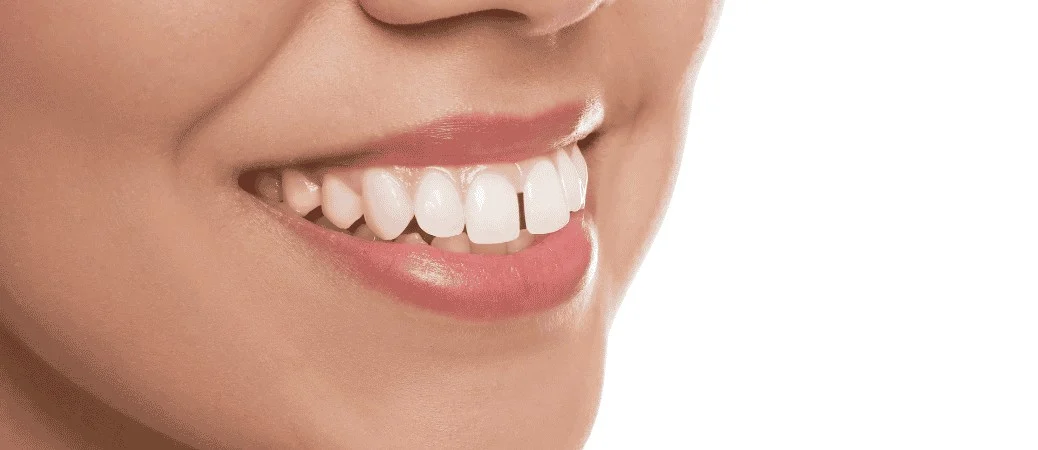
Excess overjet, where the upper front teeth stick out noticeably past the lower teeth, is often grouped with overbite concerns and can raise the risk of dental trauma to those exposed front teeth.
What Can Cause a Misaligned Bite?
Genetics plays a large role in bite alignment, but it isn’t the only factor. Childhood habits such as thumb sucking or long-term pacifier use can shift how teeth and jaws develop.
Missing teeth, tooth loss, crowded teeth, or overlapping teeth can also throw off the bite over time.
Dental trauma from an injury can shift a tooth just enough to change how the bite comes together.
How Uneven Bite Forces Wear Down and Break Teeth
An untreated bite problem puts more pressure on certain teeth every time you chew, and that repeated stress can wear enamel thin, crack teeth, and cause dental work like fillings and crowns to fail sooner than expected.
This mechanical strain builds slowly, which is why many people don’t connect their bite to the damage until a dentist points it out.
From Uneven Tooth Wear to Enamel Loss and Tooth Sensitivity
Uneven bite forces cause some teeth to wear down faster than others. This shows up as flattened edges, thinning enamel, or noticeable chips on specific teeth rather than an even pattern across your whole smile.
Why Hairline Cracks, Chipped Enamel, and Tooth Fractures Develop
Teeth are strong, but they aren’t built to absorb concentrated force from one direction over and over. When a bite is uneven, certain teeth take the brunt of biting pressure with every meal.
This concentrated stress can create hairline cracks that aren’t visible at first. Left alone, those small cracks can grow into full tooth fractures, sometimes reaching the point where a root canal becomes necessary to save the tooth.
How Bruxism and Clenching Can Accelerate Damage

Bruxism, or teeth grinding, and jaw clenching often develop alongside bite problems and can speed up tooth damage significantly.
Some people grind their teeth at night without realizing it until a dentist notices flattened or chipped teeth during a checkup.
Grinding adds even more force to teeth that may already be absorbing uneven pressure from a misaligned bite.
This combination frequently leads to broken fillings, damaged crowns, and chipped veneers that need repeated replacement.
Restorative dentistry can repair this damage, but the underlying bite issue usually needs its own treatment plan to prevent the cycle from repeating.
How Bite Issues Can Affect Gums, Chewing, and Jaw Comfort
Bite problems can make teeth harder to clean, chewing less comfortable, and your jaw joints work harder than they should.
Some of these effects are well documented, while others, like headaches and jaw pain, have multiple possible causes and deserve individual evaluation rather than a one-size-fits-all explanation.
Why Crowded Teeth Can Raise Cavity and Gum Disease Risk
Crowded or overlapping teeth are harder to brush and floss thoroughly.
Plaque buildup collects in tight spaces that a toothbrush can’t fully reach, which raises the risk of cavities, tooth decay, gingivitis, and gum disease over time.
Left untreated, gum problems can progress to gum recession, bone loss, and periodontal disease.
If you notice puffy or bleeding gums, it helps to look into treatment options for bleeding gums before the problem advances further.
Persistent plaque in crowded areas can also contribute to bad breath that doesn’t improve with regular brushing.
When Jaw Clicking, Muscle Fatigue, or Headaches Need Evaluation
Jaw clicking, muscle fatigue, and headaches sometimes connect to bite problems, but these symptoms have many possible causes.
A clicking jaw or ongoing jaw discomfort could point to temporomandibular joint disorders (TMJ disorders or TMD), stress-related clenching, or an unrelated muscular issue.
Chronic jaw pain, facial pain, tension headaches, and shoulder tension are worth mentioning to a dentist, but they call for individualized professional assessment rather than an assumption that fixing your bite will resolve them automatically.
A clinician can evaluate your specific symptoms and history before recommending treatment.
Daily Effects on Chewing, Speech, Sleep, and Confidence

A misaligned bite can make chewing certain foods tiring or uncomfortable, and some people start avoiding foods that are harder to bite.
Speech difficulties can also develop when teeth don’t guide the tongue correctly during certain sounds.
Sleep quality may suffer if jaw discomfort or mouth breathing patterns are present.
Beyond physical effects, a bite concern that changes how your smile looks can affect confidence and, for some people, overall mental health and comfort in social situations.
How Dentists Find the Cause and Plan Treatment
A bite evaluation lets a dentist or orthodontist see exactly how your teeth and jaw work together, then match treatment to what’s actually causing your symptoms.
This typically starts with a hands-on exam paired with imaging, followed by a conversation about which of several treatment paths fits your situation.
What Happens During a Bite Evaluation
During a bite evaluation, a dentist or orthodontist checks how your teeth come together when you bite, chew, and rest your jaw.
They’ll look for uneven wear patterns, gum recession, and signs of clenching or grinding.
At Tkatch Dentistry, Dr. Stas Tkatch evaluates how your teeth come together, along with signs of uneven wear or damage, to better understand what may be affecting your bite.
From there, treatment can be planned around your specific dental needs rather than simply repairing the damage caused by an uneven bite.
When Orthodontic Treatment, Night Guards, or Bite Adjustment May Help
Orthodontic treatment such as braces or clear aligners like Invisalign can gradually shift teeth into a more balanced position.
This approach works well for many bite alignment problems, though the right option depends on the type and severity of misalignment.
Night guards protect teeth from grinding damage while you sleep, particularly useful for people dealing with bruxism alongside a bite issue.
In some cases, a dentist may recommend a bite adjustment, a procedure that reshapes small areas of tooth surface to improve how teeth meet.
When Restorative Care Is Needed to Rebuild a Stable Bite
Restorative care becomes necessary when teeth have already been damaged by years of uneven bite forces. This can include fillings, crowns, bridges, or veneers to repair cracked, chipped, or worn teeth.
For teeth lost to advanced wear or fracture, dental implants may help restore both function and bite stability, an approach detailed in options for multiple tooth replacement.
When bite problems and cosmetic concerns overlap, some patients pursue a broader smile makeover that combines restorative and cosmetic dentistry to rebuild both function and appearance.
A Balanced Bite Can Protect Your Teeth and Budget
A stable, well-aligned bite reduces the uneven forces that wear down teeth, which can lower your long-term risk of costly repairs.
Left untreated, malocclusion tends to create a cycle: worn or cracked teeth need repair, those repairs face the same uneven pressure, and they fail again sooner than they should.
Addressing a bite problem early, whether through orthodontic treatment, a night guard, or restorative work, can help break that cycle.
A personalized treatment plan built around your specific bite pattern and symptoms supports better oral health and can protect you from the tooth loss and repeated dental expenses that come with letting a bad bite go unchecked.
Advanced dental care today gives dentists more tools than ever to catch these problems early and treat them with precision.
Frequently Asked Questions
Can an untreated bad bite cause teeth to wear down?
Yes, an untreated bad bite can lead to uneven tooth wear because some teeth absorb more chewing pressure than others. Over time this can cause flattened edges, thinning enamel, and increased sensitivity, particularly on the teeth taking the most force.
Can a bad bite cause jaw pain or headaches?
A bad bite may contribute to jaw pain or headaches in some people, but these symptoms often have multiple possible causes, including stress, muscle tension, or unrelated joint issues.
A dentist or physician can evaluate your specific symptoms to determine the right next step.
Can worn or neglected teeth still be saved?
Many worn or damaged teeth can be treated with restorative dentistry, including fillings, crowns, or root canals depending on how much damage has occurred.
Waiting longer to seek treatment generally makes the repair more involved, so earlier evaluation tends to preserve more of the natural tooth.
Will braces or clear aligners fix every bite problem?
Braces and clear aligners work well for many alignment issues, but not every bite problem responds the same way to orthodontic treatment alone.
Severe cases may also need bite adjustments or restorative care to fully stabilize the bite.
How do dentists treat damage caused by a bad bite?
Dentists typically combine approaches based on the extent of damage, which may include restorative dentistry for cracked or worn teeth alongside orthodontic treatment or a night guard to address the underlying bite issue.
Treatment plans are personalized since bite patterns and damage vary significantly from person to person.