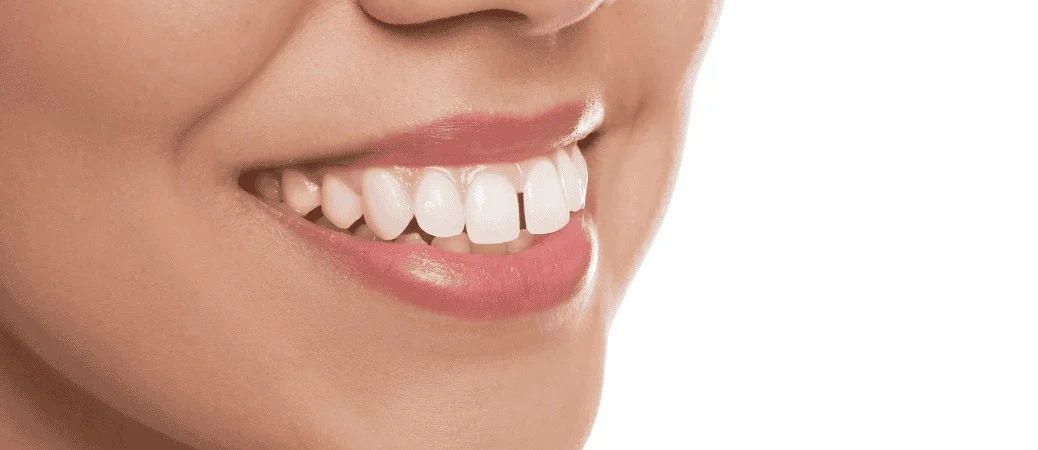
You’ve probably scrolled past countless before-and-after photos of adults showing off their newly straightened smiles.
Maybe you’ve noticed coworkers or friends quietly transforming their teeth without the metal brackets you remember from middle school.
Now you’re wondering if Invisalign is something you should try, but the commitment feels big and the price tag even bigger.
For most adults, Invisalign for adults is worth it if you can commit to wearing the aligners 20-22 hours per day and your dental issues fall within what the system can effectively treat.
The clear aligners can straighten 90% of cases, from mild crowding to bite problems, without the visible wires that make traditional braces feel awkward for professionals.
But success depends entirely on your discipline and on whether your specific orthodontic needs align with what Invisalign does best.
The real question isn’t just whether Invisalign works, because it does. The real question is whether you’re willing to commit to the daily routine, the cost that typically ranges from $3,000 to $5,500, and the lifestyle adjustments that come with removable aligners.
This guide breaks down everything you need to know before deciding whether clear aligners fit your life, your budget, and your smile goals.
Key Takeaways
- Invisalign works for most adult orthodontic cases but requires wearing aligners 20-22 hours daily for success
- Treatment costs between $3,000-$5,500, depending on complexity, and takes anywhere from 6-24 months to complete
- Clear aligners offer lifestyle advantages over traditional braces, but demand strong self-discipline and may not suit severe dental problems
Evaluating If Invisalign Is Worth It for Adults
Deciding whether Invisalign treatment fits your needs depends on lifestyle preferences, the complexity of your dental issues, and how much you value discreet orthodontic care.
Understanding what attracts adults to clear aligners and which cases work best helps you make an informed choice.
What Makes Invisalign Appealing to Adults
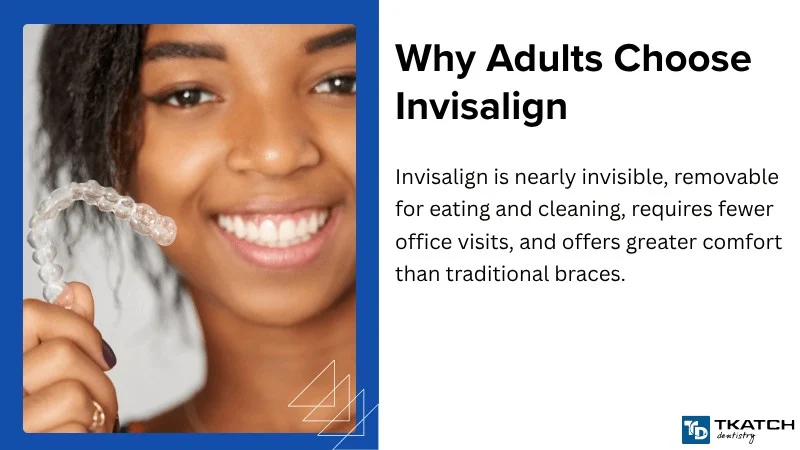
The clear plastic trays are nearly invisible during everyday interactions. You won’t have metal brackets showing in work meetings or social photos.
You can remove the aligners to eat whatever you want. There are no food restrictions like you’d have with traditional braces. Brushing and flossing stay simple since you take the trays out for oral hygiene.
Office visits are usually shorter and less frequent than with metal braces. You won’t need emergency appointments to fix broken wires.
Most adults appreciate fitting Invisalign into busy schedules without major disruptions.
The smooth plastic doesn’t irritate your cheeks or gums the way brackets can. Many people find this more comfortable for daily wear.
Factors That Influence Invisalign’s Value
Compliance matters most. You need to wear aligners 20 to 22 hours daily for treatment to work properly. If you forget often or remove them too much, results suffer and timelines extend.
Cost typically matches traditional braces but varies based on how long you need treatment and how much movement your teeth require. Insurance may cover part of the expense, similar to other orthodontic work.
Your daily routine affects the experience. Frequent snacking means removing and replacing trays multiple times, which some people find inconvenient.
Public speaking or certain jobs may require adjustment periods as you get used to talking with aligners.
The investment includes more than straightening teeth. You’re paying for the convenience and experience of avoiding visible hardware while correcting dental issues that could worsen over time.
Candidacy for Invisalign Treatment
Invisalign works well for mild to moderate crowding, gaps between teeth, and certain bite issues. Your orthodontist will evaluate whether clear aligners can address your specific dental problems effectively.
Complex cases involving severe misalignment or significant bite corrections may need traditional braces instead. Metal brackets provide stronger force for moving teeth in challenging situations.
Age isn’t a limiting factor, but you need healthy gums and bone structure. Existing dental work like bridges or implants may affect treatment planning. Your orthodontist will assess these factors during your consultation.
Some people aren’t good candidates if they can’t commit to wearing aligners most of the day. Success depends on following the treatment plan consistently without frequent breaks.
Considering Invisalign? Our conveniently located office serves patients throughout the High Point, NC. Contact our office today to schedule your consultation.
How Invisalign Works and What to Expect
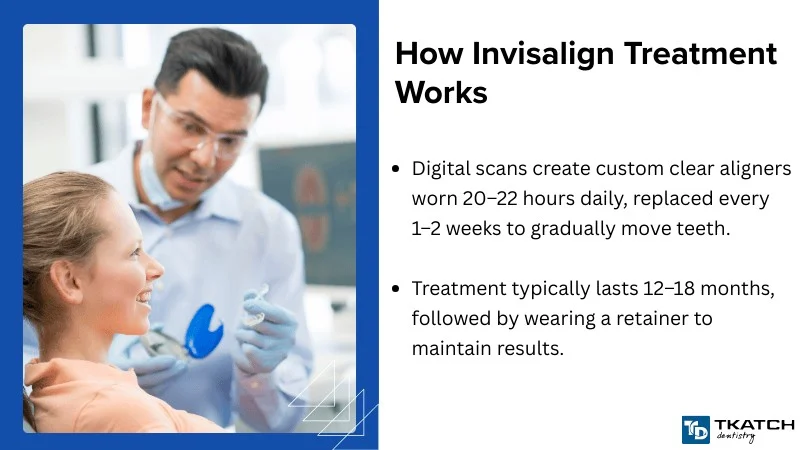
Invisalign uses a series of custom-made plastic trays to gradually move your teeth into better positions. You’ll get new aligners every one to two weeks, wear them most of the day, and visit your provider periodically to track your progress.
The Clear Aligner Process Step-by-Step
Your Invisalign treatment starts with a consultation where your provider takes digital scans or impressions of your teeth. These scans create a 3D model that maps out exactly how your teeth will move from start to finish.
Your provider uses this model to design a custom treatment plan. You’ll see a preview of what your teeth will look like after treatment is complete.
Once approved, the lab creates your full set of clear aligners. Each set of aligners is made from medical-grade thermoplastic polymers that fit snugly over your teeth. The trays apply gentle pressure to shift your teeth bit by bit.
You’ll pick up your first few sets of aligners at your next appointment. Your Invisalign provider will make sure they fit correctly and explain how to use them properly.
What Daily Life With Invisalign Looks Like
You need to wear your aligners for 20 to 22 hours each day to get results on schedule. You only take them out to eat, drink anything besides water, brush your teeth, and floss.
The aligners are removable, so you can eat whatever you want without restrictions. Just pop them out before meals and pop them back in after you clean your teeth.
You’ll need to brush and floss after every meal, then put your aligners back in. Clean your aligners daily with a soft toothbrush and clear soap to prevent buildup and keep them invisible.
Many people don’t notice you’re wearing them since the trays are clear. They might feel tight or uncomfortable for the first day or two when you switch to a new set, but this usually goes away quickly.
Treatment Length and Monitoring
Most adults wear Invisalign for 12 to 18 months, though your timeline depends on how much your teeth need to move. Simple cases might take six months while complex cases could take two years or longer.
Your provider will give you new aligners every one to two weeks as your teeth gradually shift.
You’ll have check-in appointments every six to eight weeks so your provider can monitor your progress and make sure everything is tracking correctly.
After your orthodontic treatment ends, you’ll need to wear a retainer to keep your teeth from shifting back.
Your provider will likely recommend Vivera retainers or another brand that you’ll wear at night indefinitely to maintain your new smile.
Cost, Insurance, and Financial Considerations
Understanding what you’ll actually pay for Invisalign helps you make a smart decision about your orthodontic treatment.
Most adults pay between $3,000 and $8,000, though insurance and payment plans can make this more manageable.

Typical Invisalign Cost for Adults
The cost of Invisalign for adults typically ranges from $3,500 to $5,000 without insurance coverage. Your final price depends on how complex your case is and where you live.
If you only need minor adjustments, you might pay closer to $3,000. More complicated cases requiring extensive tooth movement can push costs up to $8,000 or higher.
Urban areas usually charge more than rural locations because dental practices face higher overhead costs.
Your chosen Invisalign provider also affects pricing. Orthodontists with more experience or stronger reputations may charge premium rates.
The length of your treatment matters too, longer treatments require more aligners and appointments, which increases the total cost.
Insurance Coverage and Payment Options
Many dental insurance plans offer partial coverage for orthodontic treatments like Invisalign. Your insurance might cover anywhere from $1,000 to $3,500 of your total treatment cost.
Check with your insurance provider about specific benefits for clear aligners. Some plans only cover traditional braces, while others treat Invisalign the same way.
Most orthodontists offer flexible financing options that let you pay over time instead of all at once.
These payment plans make treatment more accessible by breaking the cost into monthly installments. You can often start treatment with little to no money down.
Retainers and Other Ongoing Expenses
Your treatment doesn’t end when you finish wearing your aligners. You’ll need retainers to keep your teeth in their new positions, which adds to your total investment.
Retainers typically cost between $200 and $500 per set. You’ll wear them nightly after completing treatment, and they need replacement every few years as they wear out.
Some providers include the first set of retainers in your treatment cost, but replacements come out of pocket.
You should also budget for regular dental checkups during treatment. These appointments ensure your teeth stay healthy while moving into position.
Ready for a straighter smile? The first step is a conversation. Talk to our expert team about your goals and see if Invisalign is right for you. Contact us to schedule your visit.
Comparing Invisalign to Other Teeth Straightening Options
Invisalign costs between $3,500 and $8,500, which makes many adults wonder about other options.
Traditional metal braces, ceramic braces, and at-home clear aligners each offer different benefits in terms of cost, appearance, and treatment time.
Invisalign vs. Traditional Metal Braces
Traditional metal braces remain one of the most effective teeth straightening methods available. They use metal brackets and wires attached to your teeth to gradually shift them into place.
Traditional braces typically cost between $5,000 and $8,000.
They work well for complex cases that Invisalign might not handle as effectively. You can’t remove metal braces, which means you don’t have to worry about forgetting to wear them.
The main downsides are appearance and comfort. Metal braces are very noticeable when you smile or talk. You’ll also need to avoid certain foods like popcorn, hard candy, and sticky items that could damage the brackets.
Key differences:
- Visibility: Metal braces are obvious, while Invisalign is nearly invisible
- Removability: You can take out Invisalign for meals and special events
- Diet restrictions: Metal braces require avoiding certain foods
- Treatment time: Both take 12-18 months on average for most cases
Invisalign vs. Ceramic Braces
Ceramic braces work exactly like traditional metal braces but use tooth-colored or clear brackets. This makes them less noticeable than metal braces while still providing the same treatment power.
The brackets blend in with your teeth, though the wires may still be visible. Ceramic braces cost slightly more than metal braces, usually between $4,000 and $8,500.
They’re a good middle ground if you want discreet treatment but need the reliability of fixed braces. However, ceramic brackets can stain if you don’t maintain good oral hygiene.
They’re also slightly larger and more fragile than metal brackets.
Ceramic braces vs. Invisalign:
- Both offer more discreet treatment than metal braces
- Ceramic braces stay fixed in your mouth like metal braces
- Invisalign is typically more comfortable and easier to clean around
- Cost is similar for both options
Other Clear Aligners and At-Home Alternatives
Several companies offer at-home clear aligner treatment that costs much less than Invisalign. Options like NewSmile, ALIGNERCO, and Smileie range from $699 to $1,895.
These clear aligners work best for mild to moderate alignment issues. You skip the regular dentist visits and do remote monitoring instead, which lowers the cost significantly.
The main trade-off is oversight. At-home aligners don’t include frequent professional check-ups like Invisalign does. This makes them better suited for simpler cases rather than complex bite problems.
| Option | Cost Range | Best For |
| Invisalign | $3,500-$8,500 | Moderate to severe cases with professional monitoring |
| At-home aligners | $699-$1,895 | Mild to moderate cases, budget-conscious adults |
| Metal braces | $5,000-$8,000 | Complex cases requiring maximum control |
| Ceramic braces | $4,000-$8,500 | Those wanting less visible fixed braces |
Most at-home clear aligner companies offer payment plans and money-back guarantees if you’re not a good candidate.
Ready to restore your confidence? Complete your new patient paperwork online before your visit and save time. Fill out your patient form today.
Additional Factors Adults Should Know Before Committing
Beyond the basic treatment details, you’ll face daily discomfort during certain phases, strict wearing schedules that affect your social life, and occasionally need to verify your identity through security services when accessing treatment resources online.
Discomfort, Adjustments, and Realities of Treatment
You should expect some pain during the first few days of each new aligner set. Your teeth are physically moving, which naturally causes discomfort.
The aligners may feel painful initially, but you can ask your dentist in High point, NC to file down sharp edges that irritate your gums.
If your teeth are crowded, you might need interproximal reduction before starting treatment.
This means your dentist will shave down your teeth by about 0.1 millimeter to create space. While it sounds extreme, it’s a common alternative to removing teeth entirely.
Speech changes are normal at first. You might develop a slight lisp that lasts a few weeks. The more you talk with your aligners in, the faster you’ll adjust to them.
Treatment options vary based on complexity. Invisalign Lite works for minor corrections, while Invisalign Express handles very simple cases in less time. Your provider will determine which system fits your needs.
Lifestyle Impacts and Compliance Requirements
You must wear your aligners 22 hours daily for treatment to work properly. This gives you only two hours total for eating, drinking, and cleaning your teeth.
Removing trays for longer periods causes teeth to tighten up again, which extends your treatment time.
Your eating and drinking habits will change immediately. You can only drink water while wearing aligners, which means no slowly sipping coffee or enjoying a beer over time.
You’ll need to remove your aligners, eat or drink quickly, brush your teeth thoroughly, and then put them back in.
Dating and social situations require adjustment. Some people worry about kissing with aligners, though most partners don’t notice or care about them.
You should rinse your mouth after kissing since bacteria can transfer and get trapped under the aligners.
Dental hygiene takes significantly more time. You must brush and floss after every single meal before reinserting your aligners.
Your teeth soak in whatever food particles remain, which increases your risk of cavities and gum inflammation.
Potential Security and Online Service Considerations
When you access your Invisalign provider portal or treatment tracking apps, you may encounter security verification steps.
These systems use security services to protect against malicious bots that try to access patient information or compromise accounts.
You might need to complete checks like captcha puzzles or two-factor authentication. While these extra steps take time, they protect your personal health data and treatment records from unauthorized access.
Some dental offices use cloud-based systems to store your ClinCheck videos and treatment progress photos.
Make sure you understand how your provider secures this information and who can access your dental records online.
Frequently Asked Questions
Adults considering Invisalign often have similar questions about how the treatment works in practice.
The answers below address common concerns about effectiveness, age limits, and what to expect throughout the process.
Have specific questions about treatment time, cost, or how Invisalign fits your lifestyle? Our experienced dentists can provide the answers. Request an appointment with one of our doctors.
What are the pros and cons of Invisalign for older adults?
Invisalign offers several benefits for older adults. The clear aligners are nearly invisible, which means you can straighten your teeth without drawing attention during professional or social situations.
You can remove the aligners when eating or brushing your teeth. This makes it easier to maintain good oral hygiene compared to traditional braces.
The main drawback is that Invisalign requires discipline and commitment. You need to wear the aligners 20 to 22 hours per day to get the best results.
Some adults find it challenging to remember to put the aligners back in after meals. If you struggle with this kind of routine, you might not see the progress you want.
Can you share some experiences of adults who have used Invisalign?
Most adults report smoother treatment experiences with Invisalign compared to metal braces. They appreciate not having to deal with wires and brackets that can irritate the inside of the mouth.
Many adults choose Invisalign because it fits into their busy lifestyle. They like being able to remove the aligners for important meetings or special events.
Adults who follow the wearing schedule consistently tend to see results within 12 to 18 months. Those who are less consistent with wearing their aligners often experience longer treatment times.
Are there specific considerations for using Invisalign over 50 years of age?
Age itself is not a barrier to Invisalign treatment. Your teeth can be moved at any age as long as your gums and bone structure are healthy.
Older adults may have concerns related to gum disease or bone density that need to be addressed first. Your orthodontist will evaluate your oral health before starting treatment.
Some adults over 50 notice that their teeth have shifted over time. Invisalign can correct these changes and improve both appearance and function.
How does Invisalign compare to traditional braces for adults?
Traditional braces use metal wires and brackets that are visible and fixed in place. Invisalign uses clear, removable aligners that most people won’t notice when you’re wearing them.
You don’t need frequent tightening appointments with Invisalign like you do with braces. This means fewer trips to the orthodontist’s office.
Invisalign is typically similar in cost to traditional braces, though the exact price depends on how complex your case is. Metal braces may still be necessary for severe bite problems or complex alignment issues.
The comfort level differs significantly between the two options. Invisalign aligners don’t have sharp edges or wires that can poke your cheeks and gums.
What should I expect from before and after results with Invisalign?
Results depend on your specific alignment issues and how well you follow the treatment plan. Most adults see noticeable improvements within a few months of starting treatment.
The total treatment time usually ranges from 12 to 18 months for adults. Some cases finish sooner if the alignment problems are mild.
After treatment, you’ll need to wear a retainer to keep your teeth in their new positions. This is an important step that prevents your teeth from shifting back.
What do users typically wish they knew before starting Invisalign treatment?
Many users wish they understood how much discipline the treatment requires. Wearing aligners 20 to 22 hours daily is essential for success.
People often underestimate how much planning goes into meals and snacks. You need to remove your aligners before eating or drinking anything except water.
You’ll need to brush your teeth after every meal before putting your aligners back in. This can be inconvenient when you’re away from home.
Your aligners need daily cleaning to stay clear and fresh. Using a soft toothbrush and mild soap works well, but you should avoid using toothpaste because it can scratch the plastic.