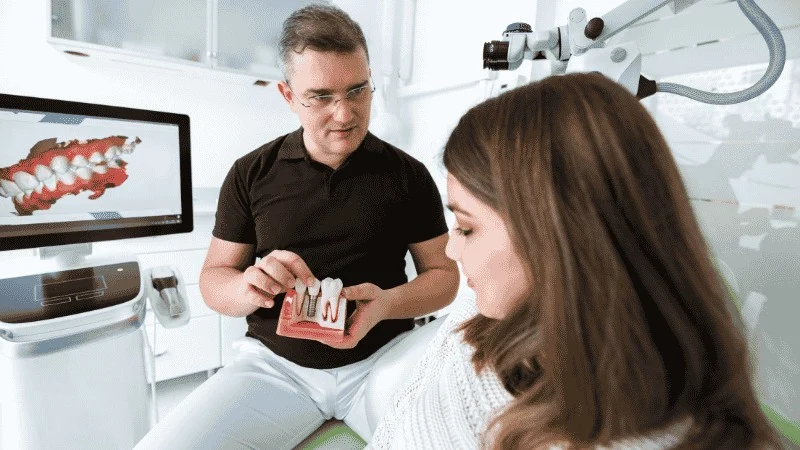


When your dentist says you need a dental crown, you face a choice. You can pick traditional crowns that take two visits, or you can choose CEREC same-day crowns made in one appointment.
The main question is simple: is the extra cost worth it?
In most cases, CEREC same-day crowns cost a little more, but they can be worth it if you value fewer visits, no temporary crown, and faster results.
You save time and avoid wearing a temporary crown for weeks. Still, traditional crowns often cost slightly less and work just as well for many teeth.
You deserve clear facts before you decide. This guide breaks down how each option, same-day crowns vs traditional crowns, works, what you pay, how long it last, and how to choose what fits your needs and budget.
Key Takeaways
- Same-day crowns offer speed and convenience, often for a slightly higher price.
- Traditional crowns usually cost less and require two visits with a temporary crown.
- Both options can last many years when your dentist places them well and you care for them properly.
Understanding the Crown Placement Process
You will follow two very different paths depending on the type of crown you choose. One uses digital tools and in-office milling, while the other relies on a dental laboratory and a second visit.
What to Expect With CEREC Same-Day Crowns
With CEREC technology, your dentist completes the full process in one visit. You do not need a temporary crown.
First, your dentist prepares the tooth and uses a digital scanner to take a digital impression. This replaces messy impression putty.
The scanner captures detailed 3D images through digital scanning, which improves accuracy and comfort.
Next, the dentist designs your crown using CAD/CAM software. CEREC stands for chairside economical restoration of esthetic ceramics, and it focuses on making ceramic crowns right in the office.
A small milling machine then shapes your crown from a solid ceramic block. This in-office milling step usually takes about 10–20 minutes. Your dentist checks the fit, adjusts your bite, and bonds the final crown in place.
Traditional Two-Visit Crown Workflow
Traditional crowns require two separate appointments and help from a dental laboratory.
At your first visit, your dentist prepares the tooth and takes impressions. Many offices still use impression putty, though some use digital impressions and send the file to the lab.
You leave with a temporary crown to protect the tooth.
The lab receives your model and creates a custom lab-made crown. Skilled technicians shape and finish the restoration over one to two weeks.
At your second visit, your dentist removes the temporary and places the final crown. This approach spreads treatment over time, but it also requires you to manage a temporary crown between visits.
Comparing Crown Materials and Esthetics
The material used for your crown affects how it looks, how strong it is, and how long it may last. You should understand how ceramic crowns and metal-based options differ before you decide.
CEREC Ceramic Materials and Their Advantages
CEREC crowns use solid blocks of esthetic ceramics, often lithium disilicate or similar materials. The dentist designs and mills the crown in the office from one piece of ceramic.
Because the crown has no metal substructure, light can pass through it in a way that looks close to natural enamel. This makes ceramic crowns a good choice when you want a lifelike appearance.
You also avoid a dark metal line at the gum, which can sometimes show with older crowns. Digital design helps your dentist adjust shape and bite before placing the crown.
Key advantages of CEREC ceramic crowns:
- No metal core
- Natural tooth-colored appearance
- Completed in one visit
- Good strength for many back teeth
Traditional Options: Metal, Porcelain-Fused-to-Metal, and More
Traditional crowns come in several materials. Your dentist may recommend metal crowns, porcelain-fused-to-metal (PFM), or layered all-ceramic options made in a lab.
Metal crowns use gold or other alloys. They resist wear and rarely crack, which makes them strong for molars. However, they look metallic and do not match natural teeth.
Porcelain-fused-to-metal crowns combine a metal substructure with a porcelain outer layer. The metal adds strength, while the porcelain improves appearance. Over time, the metal edge may show near the gum.
Lab-made ceramic crowns can also use zirconia or layered esthetic ceramics. A skilled lab technician or master ceramist can add fine color details that are hard to match with a single ceramic block.
Traditional laboratory crowns often allow more material choices and artistic detail.
Factors That Influence Aesthetic Outcomes
The final look of your crown depends on more than just the material. Tooth location matters.
Front teeth need careful shade matching, surface texture, and translucency. Back teeth focus more on strength than fine color detail.
Your gum line also affects the result. If you have thin or receding gums, a metal substructure may show through slightly.
Other important factors include:
- The skill of your dentist
- The experience of the dental lab or master ceramist
- Your natural tooth color and bite
- Whether you grind or clench your teeth
You should discuss your goals clearly. If appearance matters most, layered ceramic crowns often provide more detailed color blending. If strength is your top concern, metal or zirconia options may fit your needs better.
Comfort, Convenience, and Patient Experience
Your time, comfort, and stress level matter just as much as the final crown. The biggest differences show up in how many visits you need and how your dentist captures the shape of your tooth.
Eliminating Temporary Crowns and Multiple Visits
With traditional crowns, you usually need two appointments spaced about one to two weeks apart. After the first visit, your dentist places a temporary crown to protect your tooth.
Temporary crowns can feel bulky or rough. They may loosen, crack, or fall off, which can lead to an extra visit. You also need to avoid sticky or hard foods while you wait for the final crown.
Same-day crowns remove that waiting period. With many same-day crowns designed and placed in one visit, you leave the office with a permanent restoration. You skip the second numbing shot and the return trip.
This approach helps if you have a busy schedule, dental anxiety, or limited time off work. You finish treatment in one block of time instead of spreading it across weeks.
How Digital Scanning Improves Comfort
Traditional impressions use thick putty placed in a tray. You bite down and wait while it sets. Many people find this uncomfortable, especially if they have a strong gag reflex.
The digital scanning process replaces that putty with a small handheld camera. Your dentist moves it around your mouth to capture detailed images of your tooth and bite.
This method feels lighter and cleaner than traditional impressions. You can breathe and swallow normally during the scan. If your dentist misses an area, they can rescan it right away instead of starting over.
Digital scans also send images directly to the computer that designs your same-day dental crowns. That reduces the risk of distortion that can happen when shipping physical molds to a lab.
You often spend less time in the chair and avoid the mess of impression material.
Cost Differences and Value Considerations
You will likely see only a small price gap between the two options, but the details matter.
Your final cost depends on materials, financing options offered by the dental office, insurance coverage, and how much you value time and convenience.
Same-Day Crown Cost: What to Know
The same-day crown cost in 2026 usually ranges from $1,200 to $2,500 per tooth. Your location, the material used, and the dentist’s technology all affect the final price.
Many offices charge slightly more for CEREC crowns because they use digital scanners and in-office milling machines.
Most insurance plans cover crowns at about 50% after your deductible. If your plan allows $1,400 and your crown costs $1,600, you may pay around $900 out of pocket.
You also save time. You avoid a second visit and skip the temporary crown phase, which can reduce missed work or childcare costs.
Traditional Crown Cost: Breaking Down the Numbers
The traditional crown cost typically falls between $1,000 and $2,200 per tooth. Lab fees and material choices play a large role in this range.
A dental lab usually charges the office $200 to $400 to make the crown. That fee becomes part of your total bill. You also pay for two appointments, even if the office bundles the cost into one treatment fee.
Insurance usually treats both types of crowns the same. Coverage often depends more on your plan than the method used.
You should also think about indirect costs:
- Two co-pays if your plan charges per visit
- Time off work for two separate days
- Possible emergency visits if a temporary crown comes loose
These factors can narrow the real price gap.
Factors That Affect Dental Crown Pricing
Several clear factors shape your final bill, no matter which type you choose.
1. Location
Urban offices often charge more than rural practices due to higher overhead.
2. Material
All-ceramic crowns often cost more than porcelain-fused-to-metal options. Stronger ceramics for back teeth may increase the fee.
3. Tooth position
Front teeth may require detailed color matching, which can raise the price.
4. Insurance limits
Annual maximums usually range from $1,500 to $3,000. If you already used benefits earlier in the year, you will pay more out of pocket.
When you compare options, look beyond the base fee. Focus on your total out-of-pocket cost, the number of visits required, and how each choice fits your schedule.
Durability, Longevity, and Suitability
You want a dental restoration that lasts and fits your daily life. The right choice depends on how long the crown can hold up and whether it matches your specific tooth and bite.

How Long Can CEREC Crowns and Traditional Crowns Last?
Both CEREC crowns and lab-made crowns can last 10 to 20 years when your dentist places them well and you care for them at home. Brushing, flossing, and regular checkups matter as much as the material used.
CEREC crowns are milled from strong ceramic blocks, often lithium disilicate or zirconia. These materials resist wear and handle normal chewing forces well.
Many dentists note that same-day ceramic crowns can perform just as well as traditional options when designed and bonded correctly.
Lab-made crowns may offer more material choices, including layered porcelain or metal-based options. In some cases, these materials can better handle heavy grinding or complex bites.
The skill of your dentist during tooth preparation and crown placement plays a major role. A well-fitted crown with healthy gum support often lasts longer than one placed with poor margins or bite alignment.
Situations Where One Option May Be Better
Your specific tooth and bite pattern help decide which type of dental crown fits you best.
You may benefit from a CEREC crown if you:
- Need treatment in one visit
- Live far from the office
- Want to avoid a temporary crown
- Need a crown on a back tooth
Same-day crowns work well for many routine cases. Dentists design and place them in a single appointment, which reduces time off work.
You may prefer a lab-made crown if you:
- Need a crown on a front tooth where fine color detail matters
- Have heavy teeth grinding
- Have a complex bite that needs detailed lab work
Some dentists and patients compare durability and material strength before choosing.
In the end, your dentist should match the crown type to your chewing forces, tooth position, and long-term oral health goals.
Tips for Making the Best Choice
You need clear answers about cost, strength, and long‑term results before you choose a crown. Focus on how the material, your bite, and your schedule affect the final outcome.

Questions to Ask Your Dentist
Start with direct questions about materials. Ask if your crown will be zirconia, lithium disilicate (e.max), or another ceramic, and why that choice fits your tooth.
If you grind your teeth, say so. Zirconia often works better for heavy bite force, while lithium disilicate can offer a balance of strength and appearance.
Ask how the crown will stay in place. Some CEREC crowns bond to the tooth with strong adhesive, which can help on short teeth with limited height.
Discuss total cost. Compare the full fee for a same‑day crown with the cost of a lab crown, including temporary visits.
You can also review how digital crowns differ from lab crowns in this CEREC vs traditional crowns comparison. Explore patient reviews for more information and understand more about dentist.
Practical CEREC Tips for Optimal Results
Choose a dentist who places CEREC crowns often. Skill with digital scanning and design affects fit and bite comfort.
Ask if they use CAD/CAM systems and high‑quality ceramic blocks. Reliable systems improve precision and reduce the need for major adjustments.
Follow basic cerec tips after placement:
- Avoid hard foods the first day if your dentist advises it
- Wear a night guard if you grind
- Keep up with brushing and flossing around the crown
Finally, return for regular exams. Your dentist will check the margins, bite pressure, and gum health to help your crown last as long as possible.
Frequently Asked Questions
You want clear answers about price, durability, strength, and when each option makes sense. These details help you decide if paying more for a same-day crown fits your needs and budget.
How much more do same-day crowns typically cost compared to traditional crowns?
In many dental offices, same-day CEREC crowns cost about the same as traditional crowns. Some offices charge slightly more because of the technology involved.
The total fee often ranges from about $1,000 to $2,500 per crown, depending on your location and materials used.
Insurance usually covers both types at similar rates. You still pay your deductible and your share of the cost.
What factors make same-day crown pricing higher in some dental offices?
Dentists invest in digital scanners, design software, and milling machines to offer CEREC crowns. That equipment costs a lot to buy and maintain.
You also pay for the ceramic blocks used to mill the crown in the office. The dentist and team need special training to design and place these crowns in one visit.
Some offices include the added convenience in their pricing. You save time by avoiding a second visit, which can matter if you miss work or travel far for care.
How long do same-day crowns usually last versus lab-made crowns?
With good care, both types often last 10 to 20 years. Your brushing habits, bite force, and teeth grinding play a big role.
CEREC crowns use strong ceramic materials such as zirconia or lithium disilicate. Lab-made crowns can use similar ceramics, along with other options like porcelain-fused-to-metal or gold.
The lifespan depends more on how well the crown fits and how you care for it than on where it was made.
Are same-day crowns as strong and natural-looking as traditional crowns?
Same-day crowns are strong enough for most back teeth. They work well for many routine cases.
Lab-made crowns may offer more detailed color layering, especially for front teeth. A dental lab can add subtle shading for a more customized look.
You can review a clear breakdown of materials, durability, and appearance. The final result still depends on your dentist’s skill and experience.
Which situations are better suited for a traditional crown instead of a same-day option?
Front teeth that show when you smile often benefit from lab-made crowns. The extra shading and layering can improve the final look.
Complex bite problems may also need more lab work. A dental technician can adjust the crown carefully outside the office.
Some dentists prefer traditional crowns when they need specific materials not available in chairside systems. Your dentist will base this choice on your tooth, your bite, and your goals.
What should I ask my dentist to decide whether the extra cost is worth it for me?
Ask which option they recommend for your specific tooth and why. You should also ask how many same-day crowns they place each month.
Find out the total cost for each option, including follow-up visits. Ask how long the appointment will take and what happens if the crown does not fit well.
When you compare timbre, cost, and appearance, you can decide if the added convenience of one visit justifies any extra fee for you.