


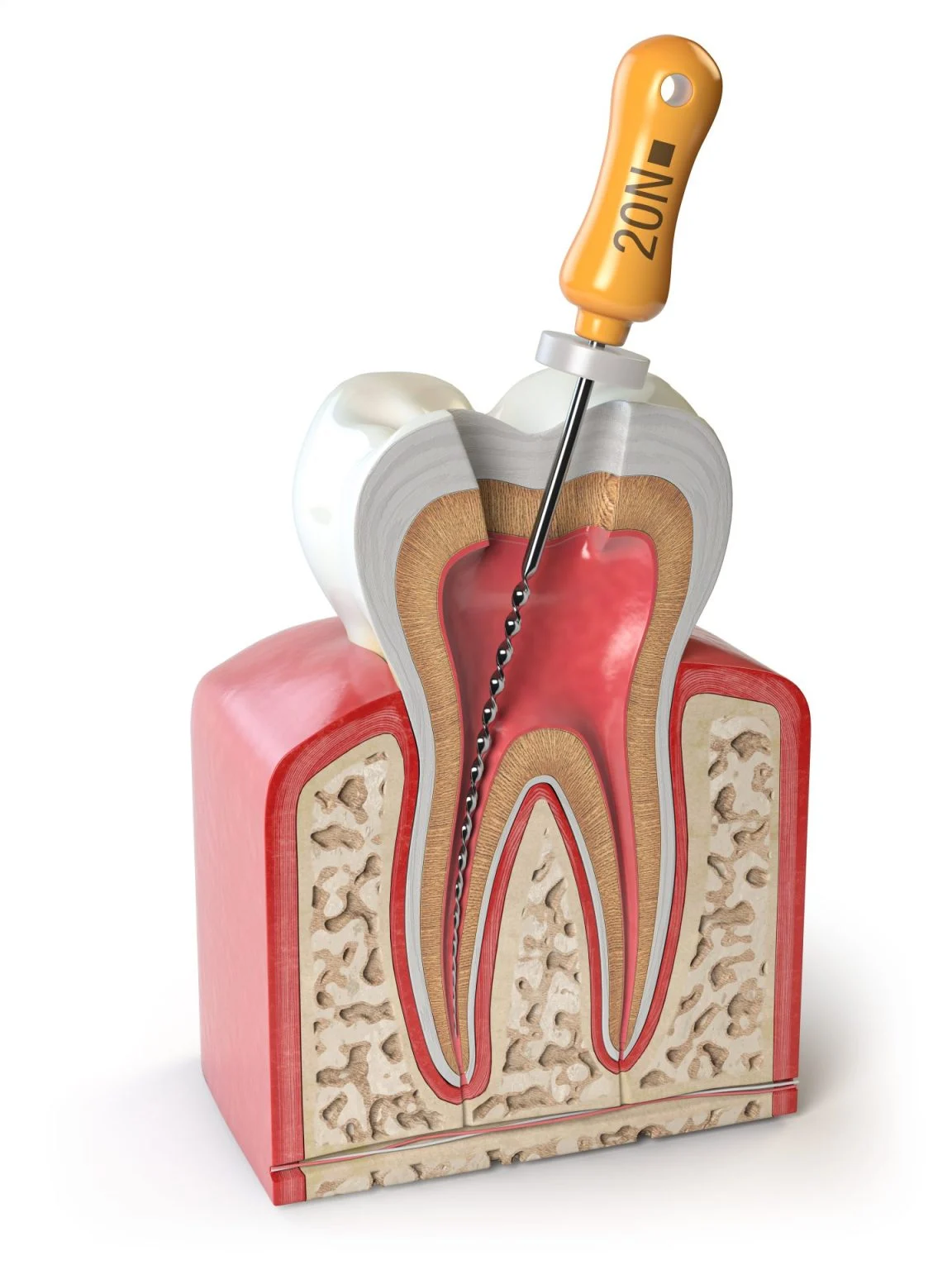
Your teeth are meant to last a lifetime, but sometimes, underlying issues can threaten their health. When the inner tissue of a tooth becomes damaged or infected, root canal therapy is often the only way to save a severely infected or damaged tooth and prevent extraction.
We’re committed to preserving your natural teeth and relieving discomfort through expert care at Tkatch Dentistry. Continue reading as we explain what causes a root canal, how to recognize the signs when you need a root canal, and what to expect from the procedure.
Root Canal Treatment in High Point, NC: Why Is It Necessary?
A root canal becomes necessary when the soft tissue inside your tooth, known as the pulp, becomes infected or damaged. The pulp contains nerves, blood vessels, and connective tissue, and its inflammation or infection can cause significant pain and lead to more serious complications.
Common causes of pulp damage include:
- Deep Decay: Left untreated, cavities can penetrate the enamel and dentin, reach the pulp, and cause infection.
- Cracks or Chips: Even minor or unnoticed structural damage can expose the tooth’s inner layers, allowing bacteria to enter.
- Trauma: Physical injuries, such as a blow to the face, may damage the pulp, even if the tooth looks intact externally.
- Repeated Dental Work: Multiple treatments on the same tooth can weaken its structure over time, increasing the risk of infection.
These issues can lead to abscess formation, bone loss, and even tooth loss when left untreated. A root canal removes the infected pulp, thoroughly cleans the root canals, and seals the tooth to restore its function and appearance.
When Do You Need a Root Canal?
If you’re wondering “how to know if I need a root canal,” specific symptoms can help you identify when to seek care.
- Persistent Pain: Pain that lingers or worsens, especially when chewing or applying pressure, is a common sign of pulp damage.
- Sensitivity to Temperature: If your tooth is sensitive to hot or cold, and the discomfort lingers after removing the stimulus, it could indicate nerve involvement.
- Swollen or Tender Gums: Swelling or tenderness near the affected tooth may signal infection. Look for a small pimple-like bump on the gums, indicating an abscess. An abscess may cause swelling, drainage of pus, or a bad taste in the mouth. In severe cases, it can lead to systemic infection.
- Tooth Discoloration: A darkened tooth may suggest damage to the internal pulp.
- Difficulty Chewing: Pain when biting or chewing can signal structural damage to the tooth.
Delaying treatment can lead to serious complications. If you notice these symptoms, schedule an appointment as soon as possible.
Types of Damage That Lead to Root Canals
Root canals are often necessary due to the following types of damage:
- Pulp Inflammation or Infection: Bacteria entering the pulp can cause inflammation or infection, often resulting from deep decay or cracks.
- Structural Damage: Cracks, chips, or fractures expose the tooth’s inner layers, making it vulnerable to bacteria and infection.
- Trauma: Physical injuries can damage the pulp, even without visible external damage.
- Repeated Dental Procedures: Over time, multiple treatments on the same tooth can weaken its structure, increasing the risk of infection.
Most root canals are completed in one visit lasting 60–90 min
Addressing these types of damage early can save your tooth and prevent more extensive treatment later.
What to Expect Before a Root Canal
Many patients feel nervous about the idea of a root canal, but understanding the process can ease your concerns. Modern root canal therapy is virtually painless due to advanced techniques and local anesthesia.
- Comprehensive Evaluation
During your appointment, Dr. Tkatch or Dr. Cowan will perform a thorough examination and may take X-rays to assess the condition of your tooth. - Personalized Treatment Plan
We’ll explain the procedure, answer your questions, and create a treatment plan to ensure you feel prepared. - Sedation Dentistry for Comfort
Local anesthesia ensures the procedure is comfortable. Modern techniques make a root canal feel no different than a routine filling for most patients.
Knowing what to expect helps make the experience less intimidating and builds confidence in the process.
How Long Does a Root Canal Take?
“How long does a root canal take?” is a common question. Here’s what to expect:
- Single Appointment: Most root canals take 60–90 minutes and can be completed in a single visit. However, complex cases or severe infections may require a second visit for additional cleaning and medication.
- Multiple Appointments: The procedure may require two visits in cases with extensive infection or complex roots.
Regardless of the timeframe, the goal remains the same: to relieve pain, eliminate infection, and restore your tooth’s function.
Why Acting Quickly Matters
Delaying treatment can have serious consequences, including:
- Increased Pain: The infection will worsen, causing more severe discomfort.
- Abscess Formation: Untreated infections can lead to abscesses and painful pus pockets that may require additional treatment.
- Tooth Loss: Without intervention, the tooth may become unsalvageable, requiring extraction.
Prompt treatment preserves your tooth and prevents the need for more complex and expensive dental work.
Expert Root Canal Care at Tkatch Dentistry
Root canals can feel overwhelming, but at Tkatch Dentistry, we prioritize your comfort and care. With extensive experience and advanced techniques, Dr. Tkatch and Dr. Cowan ensure a seamless and effective treatment. Our goal is to relieve your pain, protect your natural tooth, and restore your oral health with precision and compassionate care.
A root canal is often the best solution for saving a damaged tooth and relieving discomfort. You can protect your oral health by recognizing signs—such as persistent pain or sensitivity—and addressing issues early. Understanding what causes root canal therapy and knowing what to expect from treatment can help you feel more confident about the process.
Don’t let symptoms worsen or delay your care. Call Tkatch Dentistry in High Point, NC, at (336) 901-9516 today to schedule your evaluation and take the next step toward preserving your smile.