


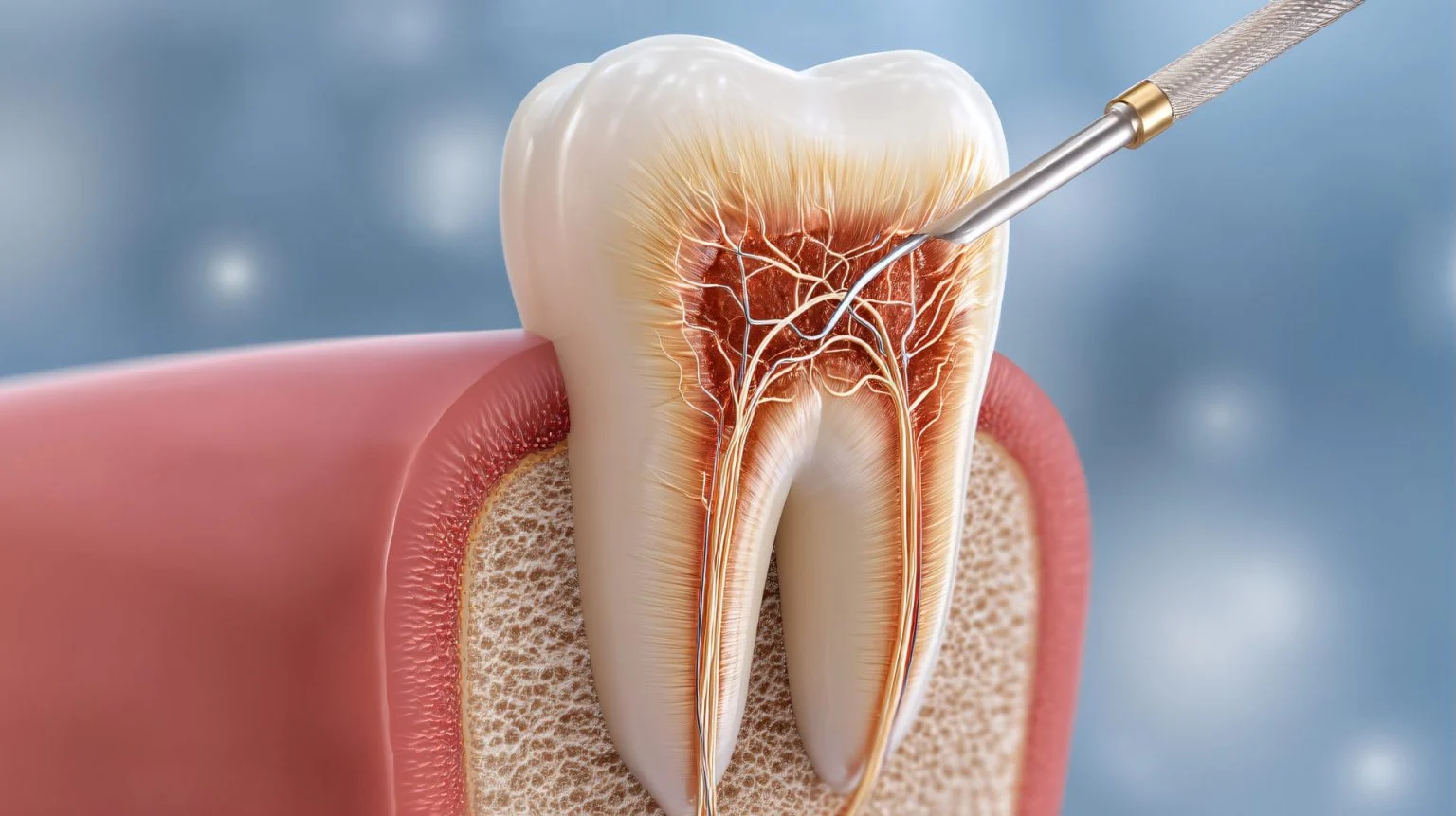
You are experiencing tooth pain, and your dentist has recommended a root canal. Perhaps you are busy, feeling anxious, or simply hoping the discomfort will disappear on its own. It is tempting to put off dental procedures, but when it comes to a root canal, delaying treatment allows a serious problem to worsen. The longer you wait, the more likely you will face deeper infection, severe pain, and higher treatment costs.
At Tkatch Dentistry in High Point, North Carolina, we help patients protect their teeth by addressing problems early. We also think it’s crucial that our patients are educated on their oral health. Understanding the risks of delaying root canal treatment can help you make an informed decision before complications arise. Continue reading to learn why you should take action quickly.
Pain Intensifies When Treatment Is Delayed
The most common risk of delaying a root canal is increased pain. Dental pain rarely improves on its own. Most patients begin with mild sensitivity, often to temperature changes or chewing. As bacteria multiply inside the tooth, pressure increases and creates deep, throbbing pain that spreads into the jaw or ear. Many people reach a point where over-the-counter pain relievers offer almost no relief.
If the infection progresses, an abscess can form. Abscesses create swelling, a bad taste in the mouth, fever, and sharp pain that may feel unbearable. An abscess always requires immediate care. Delaying treatment makes the condition hurt even more and increases the likelihood of emergency visits.
Infection Can Spread to Other Areas
A common misconception is that tooth infections stay contained within the tooth. In reality, delaying a root canal allows the bacteria to move beyond the affected tooth, creating serious health concerns.
Bacteria can spread to the surrounding gums, bone, and neighboring teeth. And as infection spreads, it can move beyond the mouth. Bacteria may enter the bloodstream or travel through facial tissues.
Severe oral infections have links to complications such as endocarditis and respiratory issues, especially for people with compromised immune systems. Early treatment keeps the problem localized and prevents a small infection from turning into a widespread threat.
Delaying Treatment Can Lead to Bone Loss in the Jaw
The surrounding bone can begin to break down if the infection reaches the end of the tooth’s root. Over time, this damage weakens the support structure and affects how the teeth fit together. You might notice shifting teeth or changes in your bite. If bone loss becomes significant, restoring the area often requires more extensive procedures.
The Tooth May Become Non-Salvageable
Another risk of delaying a root canal is that the tooth may become entirely non-salvageable. Once bone tissue deteriorates and the infection spreads, saving the tooth becomes difficult or impossible. The longer the infection remains untreated, the more the tooth breaks down internally.
A tooth that could have been saved with a root canal may reach a stage where extraction is the only option. Many patients want to avoid tooth loss, and for good reason. Losing a tooth affects chewing, speech, appearance, and long-term oral health.
Replacement options like implants or bridges help restore function, but they require additional procedures, time, and money. Acting quickly to save the natural tooth is the most efficient solution.
Delayed Care Often Costs More
Concerns over the cost of a root canal often cause people to postpone treatment. Ironically, this often leads to higher expenses.
Early root canal treatment usually costs less than the combined cost of emergency visits, antibiotics, abscess drainage, tooth extraction, bone grafting, or tooth replacement. Once infection reaches advanced stages, care becomes more complicated, and fees increase.
Warning Signs You Should Not Ignore
If you suspect infection, pay attention to symptoms that often signal the need for a root canal. These include:
- Persistent or worsening tooth pain
- Sensitivity that lingers after hot or cold exposure
- Swelling in the gums or face
- A pimple-like bump on the gums
- A darkened tooth
- Pain when biting or chewing
Any of these symptoms means bacteria may have reached the “pulp” (the center of your tooth). You should not wait for the pain to disappear, because the infection continues even when nerves begin to die.
Take Action Before the Problem Worsens
The risks of delaying a root canal are certainly greater than the short-term inconveniences. Infection spreads, pain increases, and the chance of saving the natural tooth declines. Early treatment ensures your long-term oral health and helps you avoid even greater costs.
If you suspect you need a root canal or have questions about your symptoms, Tkatch Dentistry can give you the care you need. Contact our office in High Point, North Carolina, today to schedule your consultation or talk to one of our experts. When it comes to your oral health, you cannot afford to wait if you want to keep your smile healthy and beautiful.