


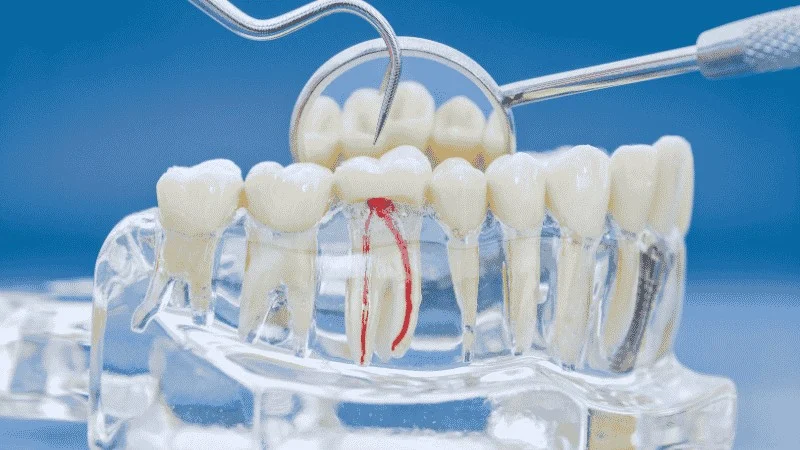
You may feel tempted to put off a root canal, especially if the pain comes and goes. Fear, cost, or a busy schedule can make it easy to wait. But delaying treatment can turn a small dental problem into a much bigger one.
If you delay a recommended root canal, the infection can spread, pain can worsen, and you may lose the tooth.
An untreated infection can move deeper into the tooth and even into the jaw. Some dental experts explain that delaying or avoiding a recommended root canal can lead to ongoing pain and serious oral health problems.
You might not notice steady pain at first. Still, the damage continues under the surface. Learning what happens next can help you protect your smile, lower future dental care costs, and make a confident choice about treatment.
Key Takeaways
- Delaying a root canal can lead to infection spread and tooth loss.
- Early treatment protects your oral health and limits future dental care needs.
- Acting on symptoms quickly can reduce pain and long-term costs.
Table of Content
- Why Timely Root Canal Treatment Matters
- Warning Signs and Early Symptoms to Watch For
- Risks and Consequences of Delaying Root Canal Treatment
- The Impact on Costs, Treatment Options, and Long-Term Dental Health
- Maintaining Good Oral Hygiene and Preventing Root Canal Issues
- Frequently Asked Questions
Why Timely Root Canal Treatment Matters
When your dentist recommends a root canal treatment, timing matters. Acting quickly helps save your natural tooth, prevent tooth loss, and stop pain before it becomes harder to manage.
Preserving Your Natural Tooth
A timely root canal treatment removes infected pulp from inside your tooth. An endodontist cleans the canals, disinfects them, and seals the space to stop bacteria from coming back.
This process lets you save your natural tooth instead of removing it. Keeping your original tooth helps you chew, speak, and bite in a normal way.
When you delay treatment, infection can spread deeper into the roots. It may also damage the bone around your tooth. The longer bacteria stay inside, the harder it becomes to fully clean the area.
Many specialists in endodontics explain that early care leads to simpler treatment and better long-term results.
Quick action gives you the best chance to save your tooth before damage becomes severe.
Preventing Tooth Loss
If you ignore a recommended root canal, the infection can destroy the inner structure of your tooth. Over time, the tooth may become too weak to repair.
At that point, extraction may be the only option. Losing a tooth can cause nearby teeth to shift. This can affect your bite and make chewing harder.
Replacing a missing tooth often requires:
- A dental implant
- A bridge
- A partial denture
These treatments take more time and often cost more than a root canal treatment.
When you act early, you protect both your tooth and the surrounding bone.
Avoiding Severe Pain and Discomfort
A severe toothache often signals infection inside the tooth. You may feel sharp pain when biting, or persistent tooth pain that does not go away.
You might also notice:
- Swollen or tender gums
- Sensitivity to hot or cold
- A small pimple on the gum
Without treatment, the infection can form an abscess. This can cause swelling in your face or jaw and make daily activities difficult.
When you schedule timely root canal treatment, you stop the infection at its source. You reduce pain, protect your health, and return to normal dental care with less stress.
Warning Signs and Early Symptoms to Watch For
An infected tooth often gives clear warning signs before the problem becomes severe. You may notice pain, swelling, or changes in your gums that point to a growing dental infection.

Tooth Pain and Sensitivity
Tooth pain is often the first sign that something is wrong. You may feel sharp pain when you chew or bite down. Some people notice a dull ache that does not fully go away.
Persistent tooth pain usually means the inner pulp is inflamed or infected. If the pain lingers for more than a few seconds after eating or drinking, take it seriously.
Sensitivity to hot or cold is another early clue. If you sip hot coffee or cold water and feel strong pain that stays even after the temperature goes away, you may have a tooth infection.
Watch for:
- Pain when chewing
- Lingering sensitivity to hot or cold
- A tooth that feels tender to touch
- Discoloration or darkening of a tooth
These symptoms often appear before swelling or abscess formation begins.
Swelling and Gum Changes
A dental infection can spread from the inside of your tooth to the surrounding gum tissue. When this happens, you may see swelling near the painful tooth.
Your gums may look red or feel sore. You might notice a small bump on the gum near the root. This bump can come and go, but it often signals deeper infection.
Bad breath or a bad taste in your mouth can also develop. This can happen when bacteria collect around an infected tooth, especially if oral hygiene becomes harder due to pain.
Pay attention if:
- One area of your gum looks puffy
- Your face feels slightly swollen on one side
- Your gums bleed more easily near one tooth
These changes mean the infection may be spreading beyond the pulp.
Abscesses and Persistent Discomfort
If you delay treatment, the infection can form a pocket of pus called an abscess. An abscess often causes strong, throbbing pain that may spread to your jaw, ear, or neck.
You might also develop:
- Fever
- Swollen lymph nodes
- A constant bad taste in your mouth
An abscess does not heal on its own. Untreated infection can spread to nearby tissues and cause more serious problems.
Persistent discomfort, even if mild, is not normal. When you feel ongoing pressure, swelling, or pain from a single tooth, your body is warning you that the infection needs care.
Risks and Consequences of Delaying Root Canal Treatment
When you delay a recommended root canal, the problem does not stay the same. Infection can spread, the tooth can weaken, and your overall health can suffer.
Infection Spread Beyond the Tooth
When you delay root canal treatment, bacteria continue to grow inside the pulp of your tooth. An untreated tooth infection does not heal on its own. It often moves past the root tip into the surrounding bone and gum tissue.
You may develop an abscess, which is a pocket of pus near the root. This can cause swelling, severe pain, fever, and a bad taste in your mouth.
According to this overview of the consequences of delaying a root canal, infection can spread to nearby tissues and increase pain levels.
In rare but serious cases, infection spread can reach the jaw bone and cause osteomyelitis, which is a bone infection.
If bacteria enter your bloodstream, they can lead to sepsis, a life‑threatening condition that requires emergency care.
Greater Tooth Damage and Extraction Risk
Delaying root canal treatment gives decay and infection more time to destroy tooth structure. The inner pulp breaks down, and the surrounding dentin and enamel weaken.
As the infection progresses, it can damage the bone that supports your tooth. Your body may begin to break down infected bone tissue. This weak support raises your risk of tooth loss.
You may reach a point where a root canal can no longer save the tooth. At that stage, your dentist may need to perform a tooth extraction.
Replacing a missing tooth with an implant or bridge often costs more and requires more time than treating the problem early.
Many dentists warn about the risks of delaying a root canal, including more complex and expensive procedures later.
Systemic Health Complications
Your mouth connects to the rest of your body. When you ignore an untreated tooth infection, bacteria and inflammation can affect more than just your oral health.
Chronic infection places stress on your immune system. It can worsen existing health problems, especially if you have diabetes or heart disease.
Ongoing inflammation in your mouth may also increase your risk of other infections.
The longer you delay root canal care, the longer harmful bacteria remain active in your body. Treating the infection early helps protect both your smile and your general health.
The Impact on Costs, Treatment Options, and Long-Term Dental Health
Delaying a recommended root canal often leads to higher treatment costs and more complex care. You also risk losing your natural tooth, which can affect your oral health for years.
Higher Treatment Costs Over Time
When you delay a root canal, the infection inside your tooth does not stop. It usually spreads deeper into the root and sometimes into the jawbone.
At first, a root canal may cost less than other major procedures. Treatment can range from several hundred to over a thousand dollars depending on the tooth. If you wait, you may need more than just the root canal.
You could face:
- An emergency dental visit
- Stronger pain medication
- Treatment for a dental abscess
- A crown plus additional procedures
Delaying care often leads to higher treatment costs because the problem becomes harder to fix. Untreated oral disease leads to billions of dollars in lost productivity and emergency visits each year.
Taking care of the issue early usually costs less than managing a serious infection later.
Need for Dental Implants or Bridgework
If the infection destroys too much of your tooth, your dentist may not be able to save it. At that point, you may need a tooth extraction.
After an extraction, you must replace the missing tooth to protect your bite and jaw. Common options include:
- A dental implant
- A dental bridge
- A partial denture
A dental implant involves placing a metal post in your jawbone and attaching a crown on top. This option can last many years, but it costs more than a root canal and takes several visits.
A bridge may cost less upfront, but it requires shaping the nearby teeth. That can place stress on otherwise healthy teeth.
Saving your natural tooth with a root canal is often simpler and less invasive than moving on to dental implants or bridgework.
Complicating Future Dental Care
An untreated infection can spread beyond the tooth. You might notice swelling, bone loss, or pain when chewing.
The NHS explains that root canal treatment removes infected pulp and seals the tooth to stop further damage. If you delay, the infection can weaken nearby bone and affect other teeth.
This can complicate future dental care in several ways:
- Bone loss that makes dental implants harder to place
- Shifting teeth that affect your bite
- Repeated infections that require antibiotics
- More frequent emergency visits
Long-term dental health depends on keeping infection under control. When you act early, you protect not just one tooth, but your overall oral health and the stability of your entire smile.
![[Tkatch Dentistry] Dental Implant Pricing Guide NGP Magazine + Gift Card](https://www.tkatchdentistry.com/wp-content/uploads/2026/08/Tkatch-Dentistry-Dental-Implant-Pricing-Guide-NGP-Magazine-Gift-Card.webp)
Maintaining Good Oral Hygiene and Preventing Root Canal Issues
You lower your risk of infection when you protect your teeth every day and act early when problems start. Simple habits and timely dental care can help you avoid deep decay that leads to root canal treatment.

Oral Hygiene Best Practices
Good oral hygiene protects the outer layer of your teeth and keeps bacteria from reaching the pulp. When plaque stays on your teeth, it can cause cavities that grow deeper over time.
Focus on these daily steps:
- Brush twice a day with fluoride toothpaste for two full minutes.
- Floss once a day to clean between teeth where brushes cannot reach.
- Replace your toothbrush every 3–4 months or sooner if bristles fray.
- Limit sugary drinks and snacks, especially between meals.
Fluoride helps strengthen enamel, which slows the spread of decay. If you grind your teeth or play sports, use a mouthguard to prevent cracks that allow bacteria inside.
Strong oral health habits reduce the chance that bacteria will infect the pulp and lead to inflammation that requires a root canal.
Routine Dental Checkups
Even strong home care cannot remove hardened tartar. Regular dental visits allow your dentist to clean areas you miss and check for early signs of decay.
Most people need a checkup and cleaning every six months. Your dentist may suggest more frequent visits if you have gum disease or a history of cavities.
Dentists look for small cracks, deep cavities, and signs of infection on X-rays. Treating these problems early can prevent pulp damage.
Early treatment often means a simple filling instead of a root canal. Staying consistent with dental care protects both your teeth and your long-term oral health.
When to Consult an Endodontist
An endodontist specializes in treating the inside of your tooth. If your dentist suspects pulp damage, they may refer you for further care.
You should seek care right away if you notice:
- Ongoing tooth pain that does not fade
- Sensitivity to hot or cold that lingers
- Swelling in your gums or face
- A small pimple-like bump on the gum
Delaying treatment can allow infection to spread and even form an abscess. Untreated infection may lead to tooth loss or more serious health risks.
Acting early gives your endodontist a better chance to save your natural tooth and protect your overall oral health.
Frequently Asked Questions
When a dentist recommends a root canal, timing matters. Delays can increase pain, raise the risk of infection spread, and make treatment more complex and costly.
How long can I safely wait before getting a recommended root canal?
You should schedule treatment as soon as possible after your dentist recommends it. A short delay of a few days may not cause major harm, but longer delays raise your risk of infection spreading.
Many dental offices explain that putting it off can turn a simple procedure into a more serious problem.
Is waiting two weeks for a root canal too long?
Two weeks can be risky, especially if you already have pain, swelling, or sensitivity. Infection inside the tooth does not stop on its own.
Even if your pain eases during that time, bacteria may still spread deeper into the root and nearby bone. Waiting longer increases the chance that the tooth may not be saved.
Can antibiotics temporarily postpone the need for a root canal?
Antibiotics may reduce swelling and pain for a short time. They can help control infection that has spread beyond the tooth.
However, antibiotics do not remove infected pulp from inside the tooth. The infection will usually return unless the dentist cleans and seals the root.
What risks come with leaving an infected tooth untreated instead of getting a root canal?
An untreated tooth infection can worsen over time. Bacteria can spread to nearby teeth and bone.
You may develop an abscess, which can cause severe pain and swelling.
In some cases, the tooth becomes too damaged to save and needs extraction.
Could a delayed dental infection from a tooth lead to serious health complications?
Yes, it can. Infection from a tooth can spread beyond your mouth in rare but serious cases.
Bacteria may move into nearby tissues and, in severe situations, enter the bloodstream.
Prompt treatment lowers these risks.
How can I manage tooth pain while I’m waiting for my root canal appointment?
You can take over‑the‑counter pain relievers as directed on the label. Ibuprofen often helps reduce both pain and inflammation.
Avoid chewing on the affected side. Stay away from very hot, cold, or sugary foods that can trigger sensitivity.
Keep the area clean by brushing gently and flossing. These steps can help control discomfort, but they do not replace treatment.