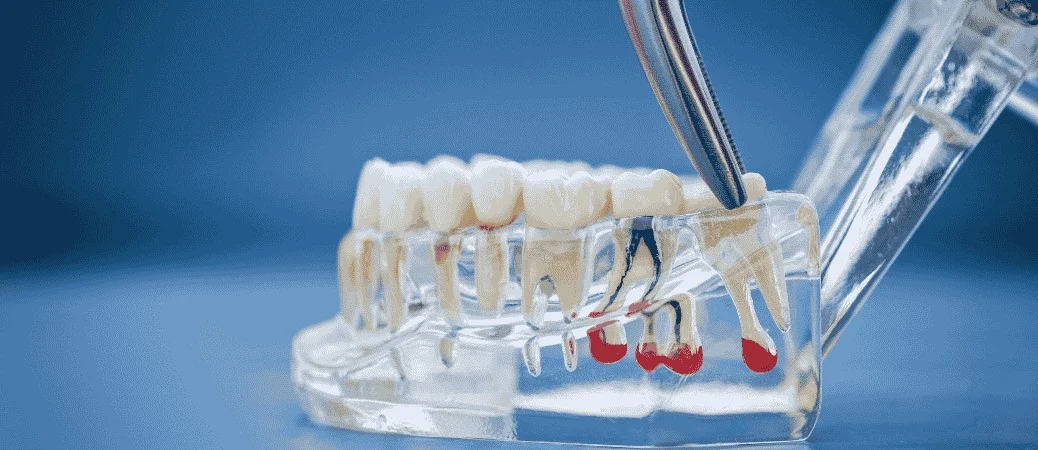
Yes, dental implants can get infected. The implant itself is made of titanium and cannot develop a cavity, but the surrounding gum tissue and bone can develop an infection.
Recognizing dental implant infection signs, such as persistent swelling, bleeding, or worsening pain, can help you seek care before the problem becomes more serious.
Infection is one of several possible causes of implant trouble, and catching it early can improve the chances of protecting the surrounding tissue and keeping the implant stable.
If you have noticed redness, swelling, or an odd taste around your implant, you are probably wondering whether this is normal healing or something that needs attention.
While dental implants offer a reliable option for replacing missing teeth, the surrounding gums and bone still need ongoing care to stay healthy.
This article focuses specifically on infection symptoms and what they mean.
For a broader look at other reasons an implant might be struggling, including bite problems or mechanical issues, this guide to dental implant failure signs covers the full picture.
Key Takeaways
- Gum redness, swelling, bleeding, pus, or pain that worsens instead of improving can signal an infected implant.
- Infection around implants progresses in stages, from gum-only inflammation to bone loss that threatens the implant’s stability.
- Catching symptoms early and getting an exam with X-rays gives your dentist the best chance to treat the problem without losing the implant.
What Are the First Signs of an Infected Dental Implant?
The earliest signs of an infected dental implant usually show up in the gum tissue, not the implant itself. Watch for changes that persist or get worse rather than improve with time.

Redness, Swelling, and Bleeding Around the Implant
Healthy gum tissue around an implant looks pink and feels firm. Ongoing gum inflammation, including redness or puffiness that does not settle down, points to irritation or an early infection.
Bleeding when you brush or floss near the implant is another signal worth tracking. Occasional light bleeding from brushing too hard is normal, but repeated bleeding around the same spot suggests the tissue is inflamed.
Persistent Pain, Bad Breath, or an Unpleasant Taste
Some soreness after implant placement is expected and should fade within days. Pain that increases, returns after getting better, or shows up long after healing is complete is not part of normal recovery.
Bad breath that will not go away with brushing, or a metallic or unpleasant taste that keeps coming back, can mean bacteria are collecting around the implant.
These symptoms are easy to dismiss but worth mentioning at your next visit.
Pus, Gum Recession, and Pain When Chewing
Pus or discharge near the implant is one of the clearest warning signs of an active infection.
You might also notice gum recession, where the gum pulls back and exposes more of the metal implant or abutment than before.
Pain when chewing or biting down deserves attention too, since it can point to inflammation, bone loss, or an implant that is no longer fully stable.
How Does Infection Affect the Gums and Bone?
Implant infection typically starts in the soft tissue and can spread to the bone if it is not treated. Dentists describe this progression in two stages, and knowing the difference helps explain why early evaluation matters so much.
Peri-Implant Mucositis vs. Peri-Implantitis
Peri-implant mucositis is the earlier, milder stage of peri-implant disease. Inflammation stays confined to the gum tissue, and professional cleaning combined with better home care can often reverse it.
Peri-implantitis is more serious. At this stage, inflammation has started to damage the bone supporting the implant, and gum pockets around the implant may deepen as bone support decreases.
What Bone Loss and a Loose Implant May Mean
Bone loss around an implant can happen gradually and without much pain, which is part of why regular dental checkups matter even when an implant feels fine.
A loose or shifting implant is a stronger signal that bone support has been compromised.
An implant should never feel like it is moving. If you notice any mobility, treat it as a reason to call your dentist rather than something to monitor on your own, since untreated peri-implantitis is a leading cause of implant failure.
What Should You Do if You Suspect an Infection?
Call your dentist when symptoms persist, worsen, or include pus, fever, or implant movement.
A short delay to see how things go is reasonable for mild, short-lived soreness, but ongoing or escalating symptoms need a professional look.
When to Call Your Dentist and When Symptoms Are Urgent
Reach out promptly if you notice gum swelling that keeps increasing, bleeding that happens every time you brush, or a taste that will not go away.
Treat pus, facial swelling that spreads beyond the implant site, fever, or a loose implant as urgent and get seen quickly rather than waiting for your next scheduled cleaning.
How an Exam and X-Rays Help Identify the Problem
Symptoms alone cannot confirm whether an implant is infected or how far the problem has progressed.
A clinical exam lets your dentist measure gum pocket depth around the implant, and X-rays show whether bone loss has occurred and how much.
This combination of findings guides the treatment plan, since early gum-only inflammation is handled differently than infection that has already reached the bone.
At Tkatch Dentistry, Dr. Stas Tkatch can evaluate changes around your implant and help determine the appropriate next steps based on your oral health and examination findings.
Can Treatment Save an Infected Implant?
Many infected implants can be treated successfully, especially when the problem is caught at the gum-only stage.
Treatment for early infection usually involves professional cleaning around the implant and antibacterial therapy, while infection that has reached the bone may need surgical cleaning or bone grafting.
Whether an implant can be saved depends on how early it is caught, how much bone has been lost, and the patient’s overall health.
An infection does not automatically mean the implant has to come out, but it is not something to leave alone and hope it resolves.
Why Do Implant Infections Happen, and How Can You Prevent Them?
Most implant infections start with bacterial plaque buildup, the same film that causes cavities and gum disease around natural teeth.
Several factors make that buildup more likely or make it harder for your body to fight off a resulting bacterial infection.
Plaque, Gum Disease, Smoking, and Diabetes
Poor oral hygiene lets plaque collect around the implant and below the gum line, which is the single biggest driver of peri-implant disease.
A history of gum disease raises your risk further, since existing inflammation and harmful bacteria in the mouth can spread to tissue around an implant, a pattern described in advanced gum disease symptoms.
Smoking affects blood flow and weakens the immune system’s ability to fight infection, which can also slow healing after dental implant surgery.
Uncontrolled diabetes works similarly by impairing the body’s healing response, though well-managed diabetes carries a different level of risk, as covered in this guide to dental implants with diabetes or osteoporosis.
Caring for the Site After Dental Implant Surgery
The weeks right after surgery matter for setting your implant up for long-term success.
Following your dentist’s cleaning instructions and attending early follow-up visits helps catch any healing issues before they turn into infection, as outlined in what to expect after getting dental implants.
Daily Cleaning and Ongoing Dental Checkups
Brushing twice a day, flossing or using an interdental brush around the implant, and rinsing with an antibacterial mouthwash all help keep plaque from building up.
Pairing that routine with regular dental checkups and professional cleanings, available through preventative care, gives your dentist a chance to spot early changes before you notice symptoms yourself.
Early Attention Helps Protect Your Implant
Implants can develop infection in the surrounding gum and bone, but most cases are manageable when caught early. The pattern to watch for is simple: symptoms that persist, worsen, or return after seeming to improve.
Mild soreness after surgery is normal and should fade within days. Redness, bleeding, pus, bad breath, or pain when chewing that sticks around deserves a phone call rather than a wait-and-see approach.
Routine dental checkups give your dentist the chance to measure gum health and check bone levels on X-rays before a problem becomes serious.
If you have concerns about changes around your implant, the dental team at Tkatch Dentistry can evaluate your symptoms and help you decide on next steps.
Frequently Asked Questions
Can dental implants get infected years later?
Yes, implants can develop infection months or years after placement, even when they healed normally at first.
Late infections usually happen when plaque builds up around the implant over time, leading to peri-implant mucositis or peri-implantitis rather than a problem with the original surgery.
Can a dental implant infection be seen on an X-ray?
X-rays can show bone loss around an implant, which is a key sign that infection has progressed beyond the gum tissue.
X-rays alone cannot diagnose early, gum-only infection, so your dentist combines imaging with a clinical exam that measures gum pocket depth.
Can antibiotics alone clear a dental implant infection?
Antibiotics can help control bacteria, but they rarely resolve an implant infection on their own.
Most cases also need professional cleaning to remove plaque and bacteria from the implant surface, and more advanced infections may require surgical treatment.
Can a dental implant be saved if it becomes infected?
Many infected implants can be saved, especially when the infection is caught at the early, gum-only stage. The outcome depends on how much bone has been lost, how quickly treatment starts, and the patient’s overall health.
How common is infection after dental implant surgery?
Dental implant infections are not the most common complication, but they are a recognized risk of implant placement and long-term maintenance.
Risk varies based on factors like oral hygiene, smoking, and whether someone has a history of gum disease.